
Google cats have become an integral part of our online experience, often appearing at the top of search results. But have you ever wondered where these cute and mysterious creatures came from? Or why they’ve captured our hearts in popular culture and digital marketing? As it turns out, Google cats are more than just a novelty – they represent a clever blend of technology and design that has captivated audiences worldwide. In this article, we’ll delve into the fascinating world of Google cats, exploring their origins, cultural significance, and impact on search results. We’ll also debunk common misconceptions about these beloved characters and explore why they’re more than just a fun novelty – they’re a powerful tool for digital marketers looking to make a lasting impression.
What are Google Cats?
If you’re wondering what all the fuss is about, let’s dive into the basics and explore what exactly these mysterious ‘Google Cats’ are and how they became an internet sensation.
The Origins of the Term “Google Cat”
The term “Google Cat” originated in 2006 when a user asked Google’s support team for help with their query. In response, the support representative accidentally typed “Google cat” instead of “google calendar,” and the conversation was included in the search results as a legitimate answer to the user’s question.
This unusual occurrence caught the attention of internet users, who started noticing that when they searched for certain terms related to cats, Google would sometimes suggest seemingly unrelated information. The term “Google Cat” became synonymous with this phenomenon, where users would input a query and receive an unexpected or humorous response from Google.
As internet culture continued to evolve, the concept of the “Google Cat” spread rapidly online. Users began creating memes and jokes around the idea, poking fun at the supposed mistakes made by Google’s algorithms. Today, the term is still used to describe these unexpected search results, often bringing a smile to users’ faces.
Characteristics of Google Cats
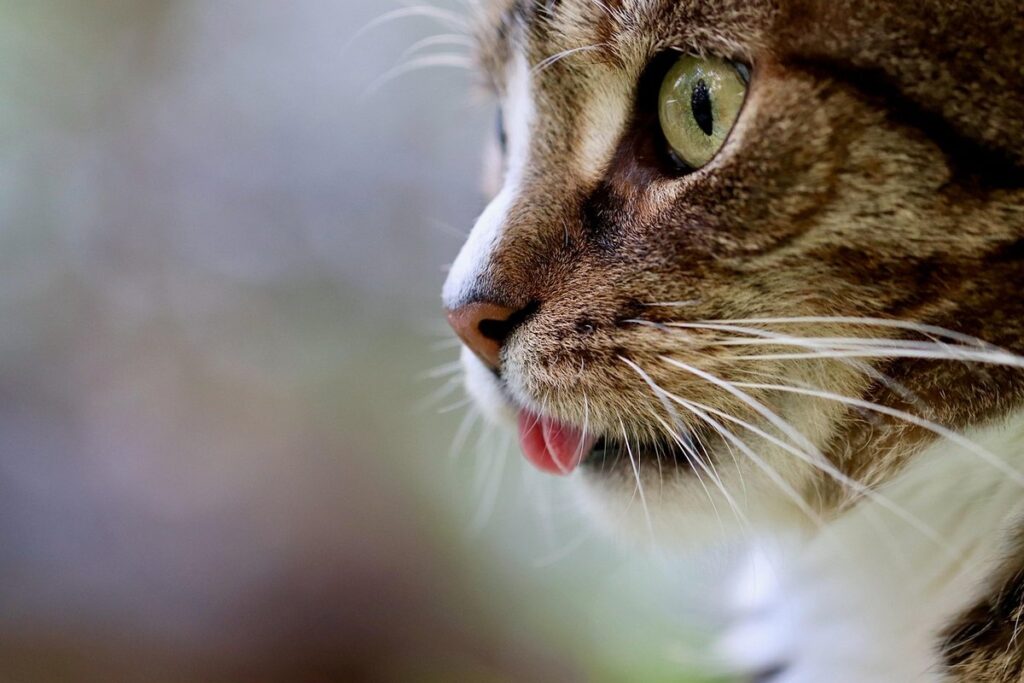
Google cats are often characterized by their irresistible cuteness and enigmatic nature. These feline friends have taken the internet by storm with their adorable appearance and mysterious behavior. Their cute looks can range from a fluffy face to a playful pounce, making them hard to resist. Moreover, they often appear in unexpected places, adding to their mystique.
Their mysterious nature stems from how they seem to emerge out of nowhere, only to disappear just as quickly. This unpredictability is part of what makes them so captivating. Their ability to blend into the digital landscape and pop up unexpectedly has led to countless memes and jokes about their elusive behavior.
One way to spot a Google cat is to look for these characteristics: an uncanny ability to appear in unexpected places, a playful yet mysterious demeanor, and an undeniable cuteness that makes you go “awww.” When browsing online, keep your eyes peeled for these feline friends. You never know when they might pop up!
How Do Google Cats Appear on Search Results?
So, you’ve seen them pop up on your search results – those adorable felines that seem to have nothing to do with what you’re looking for. Let’s dive into how they actually appear!
Factors Influencing Google Cat Display
When it comes to Google cats appearing on search engine results pages (SERPs), several factors come into play. One of the primary contributors is user behavior, particularly search intent and query patterns. For instance, if you’re searching for cat-related topics or keywords like “cat breeds,” “kitty care tips,” or “cat behavior,” it’s likely that a Google cat will show up in your results.
Another significant factor influencing the display of Google cats is algorithmic bias. The Google algorithm favors search queries with higher engagement rates and click-through rates (CTR). If you notice, many Google cats are displayed alongside popular articles or websites with high traffic and engagement levels. This suggests that the algorithm is trying to provide users with relevant and engaging content.
To increase your chances of seeing a Google cat on SERPs, try incorporating long-tail keywords related to cat care or cat behavior in your search queries. Additionally, experimenting with different query patterns and keywords can also yield better results.
Types of Searches That Trigger Google Cat Display
So you’ve been wondering what types of searches trigger those adorable Google cats to appear on your search results. Well, we’ve got some good news for you! There are several specific topics and search queries that are more likely to bring out the feline fun from Google.
If you’re searching for cat-related keywords like “funny cat pictures,” “cat videos,” or even just “cats in space,” you might stumble upon a Google cat. But it’s not just about cat-related searches – other types of topics can also trigger this whimsical display. For instance, searching for words like “anime” or “manga” may bring up a cute feline mascot from your search results.
If you’re curious about what type of searches are most likely to trigger Google cats, here are some examples: entertainment-related queries (like music videos), humor-specific topics (like memes or jokes), and even certain types of product reviews (such as cat toys). Keep in mind that these are just general guidelines – the algorithm behind the Google cats is quite playful! So don’t be discouraged if your search results come up empty – keep trying, you might stumble upon a cute kitty yet!
The Psychology Behind Why We Love Google Cats
Let’s dive into what makes those adorable Google cats so endearing to us, and explore the psychology behind our fascination. It’s time to get curious!
Emotional Connection with Google Cats
When you’re browsing through Google’s vast library of images, it’s easy to get lost in the mesmerizing world of cats. The Google Cat feature has become a beloved escape for many, providing an instant stress relief and entertainment fix. But have you ever stopped to think why we form such a strong emotional connection with these digital felines?
For one, the simple act of interacting with Google Cats can be a powerful mood-booster. Studies show that exposure to cute or funny content, like adorable cat videos or pictures, can release endorphins in our brains, also known as “feel-good” hormones. This natural high can help reduce anxiety and stress levels, making us feel more relaxed and uplifted.
Furthermore, the Google Cat feature offers a unique sense of escapism. We can spend hours browsing through various breeds, watching them play or lounge around, without any pressure or responsibility to care for real-life cats. It’s no wonder that many people find themselves coming back for more – Google Cats provide an entertaining distraction from our daily routines and worries.
So, go ahead and indulge in some virtual cat therapy! With millions of images at your fingertips, you can explore the wonderful world of felines whenever you need a break or a smile.
Social Media Campaigns Featuring Google Cats
Social media platforms have been instrumental in leveraging Google cats to captivate audiences and drive engagement. A prime example is the #GoogleCats campaign on Twitter, where users were encouraged to share their favorite cat photos with a specific hashtag. The results were overwhelming, with millions of tweets flooding the platform within weeks.
One key takeaway from this campaign is that social media platforms love to be involved in creative collaborations, which can amplify your brand’s reach and visibility. By partnering with influential Twitter accounts or popular pet-related handles, you can create engaging content that resonates with a wider audience.
Another notable example is the Google Cats Facebook page, which has garnered over 10 million followers since its inception. The page features a diverse array of cat breeds, often accompanied by fun facts and interesting trivia about each species. This approach not only showcases Google’s commitment to showcasing adorable felines but also serves as an excellent opportunity for users to engage with the brand on a lighthearted level.
To incorporate this strategy into your own social media campaign, consider creating content that highlights user-generated submissions or partnering with influential accounts to showcase cat-related fun facts. By doing so, you can tap into the immense popularity of Google cats and create engaging content that resonates with your target audience.
The Role of Google Cats in Digital Marketing
As you explore the mysterious world of Google cats, it’s essential to understand how they’re impacting digital marketing strategies and influencing online behavior. Let’s dive into their role in shaping our online experiences.
How Brands Leverage Google Cats for Advertising
As businesses continue to navigate the ever-evolving digital landscape, they’re discovering innovative ways to leverage Google Cats for advertising purposes. For those unfamiliar, Google Cats are a series of animated advertisements that run on YouTube and other platforms. By incorporating these ads into their branding strategy, businesses can increase brand awareness and reach a wider audience.
One way brands use Google Cats is by partnering with popular creators to develop custom content featuring the iconic feline characters. This not only exposes the brand to new viewers but also fosters engagement through interactive elements like polls, quizzes, or challenges. For instance, in 2020, a well-known beauty brand collaborated with a popular YouTube personality to create an ad that featured Google Cats promoting their latest product line.
When incorporating Google Cats into your advertising efforts, consider the following tips: focus on creating content that resonates with your target audience, ensure consistency across all platforms, and track engagement metrics to refine future campaigns. By doing so, you can harness the power of Google Cats to elevate your brand’s online presence and drive meaningful connections with potential customers.
Measuring the Effectiveness of Google Cat Campaigns
When it comes to measuring the effectiveness of Google Cat campaigns, it’s essential to track the right metrics. The primary goal is to increase brand awareness and drive user engagement. To evaluate success, you should monitor metrics such as click-through rates (CTR), conversion rates, and cost per acquisition (CPA). A CTR above 0.1% indicates a well-performing ad group.
You can also track the number of impressions, views, and engagement metrics like likes, comments, and shares on social media platforms. To take it to the next level, use Google Analytics to set up goals and track the actions users take after clicking on your ads. This will help you understand the impact of your campaign on your website’s traffic and conversion rates.
Another critical metric is the return on ad spend (ROAS), which measures revenue generated by each campaign compared to its cost. For instance, if your ROAS is 300%, it means for every dollar spent, you earned three dollars in revenue. Keep a close eye on these metrics to refine your campaigns and make data-driven decisions that drive results.
The Cultural Significance of Google Cats in Pop Culture
Google cats have become a beloved meme, but their impact on pop culture runs deeper than just funny images online. Let’s dive into how they’re influencing art, music, and more.
References to Google Cats in Music and Film
Google cats have been leaving their paw prints on popular culture, and it’s not just limited to the internet. You’ve probably heard of music videos that feature feline friends as stars, but did you know that Google cats have even made appearances in films? It’s time to explore how these adorable digital creatures have become a staple in various forms of media.
In music, artists like Lil Nas X and BTS have incorporated Google cats into their music videos. For example, Lil Nas X’s “F9” music video features a cat in a futuristic racing scene that will make you go “meow.” These collaborations not only showcase the creative possibilities of digital art but also demonstrate how popular culture can be influenced by internet trends. Similarly, in film, movies like “The Secret Life of Pets” and “Cats” have borrowed from the Google cat aesthetic to create visually stunning and entertaining scenes.
As a fan of Google cats, you might wonder how to incorporate these digital felines into your own creative projects. Here’s a tip: don’t be afraid to experiment with different animation styles and color palettes inspired by Google cat art. You can even use online tools to create your own animated Google cat characters! Who knows? Your next big hit might just be a music video or film featuring these lovable digital felines.
Memes and Jokes Featuring Google Cats
Google cats have become a staple in internet memes and humor, often used to poke fun at search engine results. You’ve probably seen them before – a cute cat image with a tongue-in-cheek caption next to it on social media or online forums. But what’s behind this phenomenon? It all started when Google began displaying a “cat” result for certain searches, usually related to obscure or made-up topics.
These memes often involve using the “I’m Feeling Lucky” button in Google, which takes you directly to the top search result without showing any other results first. The humor comes from the absurdity of finding a cat image instead of relevant information on your query. For instance, searching for “best pizza toppings” might lead you to a picture of a cute cat with a caption like “Sorry, I couldn’t find that information.”
You can even try creating your own meme by using Google’s “I’m Feeling Lucky” feature and snapping a screenshot of the result. Add some humor and creativity to it, and share it on social media or online forums. Just remember to keep it light-hearted and respectful – internet memes should be fun, not mean-spirited. By embracing this lighthearted aspect of Google cats, you can add some much-needed humor and whimsy to your online interactions.
Debunking Common Misconceptions About Google Cats
Let’s set the record straight – we’re going to tackle some of the most common myths surrounding Google’s feline-focused features and what they can (and can’t) do. Buckle up for some much-needed clarity!
Separating Fact from Fiction
It’s time to set the record straight on some common misconceptions surrounding Google cats. Let’s start with the most widespread myth: that they have the power to influence search engine rankings (SERPs). This notion has been circulating online, but it’s nothing more than a myth.
The truth is that Google cats are simply a clever way for developers to test and showcase new technologies, such as machine learning algorithms. They don’t have any direct impact on how your website ranks in search results. In fact, according to Google’s own statements, their primary function is to improve user experience through innovative interfaces and interactions.
If you’re wondering whether this myth has any real-world implications, consider this: relying on “Google cat” influence could lead to wasted time and resources on SEO efforts that won’t yield the desired results. Instead, focus on creating high-quality content and improving your website’s overall user experience – that’s where true search engine optimization lies. By separating fact from fiction, you’ll be better equipped to make informed decisions about your online presence.
The Importance of Understanding Search Engine Algorithms
Understanding search engine algorithms is crucial for anyone looking to optimize their online presence, including Google cats. Many users rely on misconceptions about how search engines work, which can lead to ineffective strategies and disappointing results. In reality, search engines like Google use complex algorithms that consider hundreds of factors when ranking websites.
For example, the infamous “Google algorithm updates” are often misunderstood as being triggered by specific keywords or phrases. However, these updates are actually driven by a vast array of signals, including site speed, mobile-friendliness, and user experience. To navigate these changes effectively, it’s essential to stay informed about search engine optimization (SEO) best practices.
Instead of relying on myths, take the time to learn about search engines and how they function. By doing so, you’ll be better equipped to create content that resonates with your target audience and improves your online visibility. Start by exploring resources like Google’s official blog or reputable SEO websites, where you can find actionable tips and expert advice on staying ahead of the curve.
Frequently Asked Questions
Can I create my own Google Cat to appear at the top of search results for my brand?
No, it’s not possible to manually create a Google Cat to appear in search results. However, you can use our strategies on how brands leverage Google Cats for advertising and incorporate them into your digital marketing campaigns to increase visibility.
How do I measure the effectiveness of a Google Cat campaign in driving website traffic or sales?
To measure the success of a Google Cat campaign, track metrics such as click-through rates (CTR), conversion rates, and cost per acquisition (CPA). Utilize tools like Google Analytics to monitor your website’s performance and adjust your strategy accordingly.
Can I use memes or jokes featuring Google Cats in my social media campaigns?
Yes, using memes or jokes featuring Google Cats can be an effective way to engage with your audience. This lighthearted approach can help humanize your brand and create a memorable experience for your followers.
How do search engine algorithms influence the display of Google Cats in search results?
Search engines use complex algorithms to determine which content appears at the top of search results, including Google Cats. Understanding these algorithms is crucial for optimizing your content and increasing visibility in search results.
Can I use Google Cats in paid advertising campaigns on platforms other than Google?
While Google Cats are most commonly associated with Google search results, you can adapt this concept to other digital marketing channels, such as social media or influencer marketing. By leveraging the popularity of these beloved characters, you can increase brand awareness and engagement across various online platforms.