
If you’re a cat lover like me, chances are you’ve come across a feline with two differently colored eyes at some point. These unique cats can be quite mesmerizing, and for good reason – their mismatched peepers are often referred to as heterochromia. But what makes these cats so special? In this article, we’ll delve into the world of cats with two different colored eyes, exploring their fascinating characteristics, potential health considerations, and essential care requirements.
As we’ll discover, cats with heterochromia can exhibit a range of eye colors, from striking contrasts like blue and green to subtle differences like gold and amber. While this unique trait is relatively rare in the feline world, it’s also important to understand any potential health implications associated with heterochromia. By examining both the enchanting aspects and practical considerations of caring for these special cats, we’ll provide you with a comprehensive guide to help you better understand and appreciate your own multi-colored kitty – or perhaps even adopt one someday!
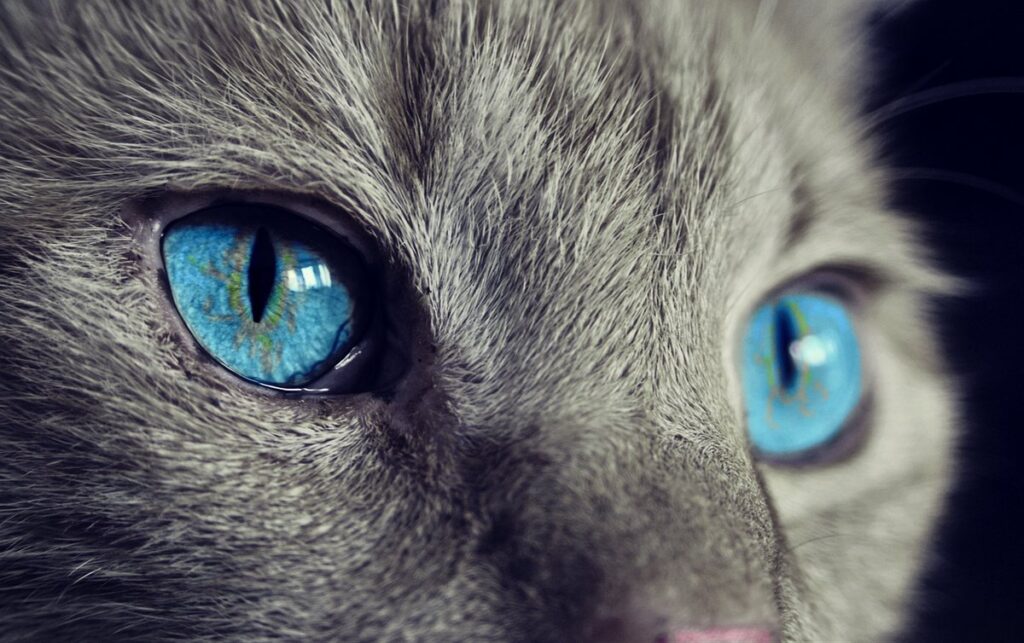
What is a Cat with Two Different Colored Eyes?
You’re curious about cats with two different colored eyes, and you might be wondering how it’s even possible. Let’s dive into what makes these felines unique.
Definition and Explanation
A cat with two different colored eyes is a fascinating feline phenomenon where one eye has a unique color that’s distinct from the other. This condition is also known as heterochromia, which comes from the Greek words “heteros” (different) and “chroma” (color). Heterochromia can occur in various forms, including complete heterochromia where one eye has only one color, or central heterochromia where there’s a ring or patch of color around the pupil.
In cats, this condition is usually due to genetics, but it can also be caused by injury or disease. For example, a cat may develop heterochromia after an eye infection or trauma that affects the iris. In some cases, a cat’s eyes may appear to change color as they mature, which is a common occurrence in kittens.
If you’re wondering whether your cat has two different colored eyes, look for signs like uneven colors, patches, or rings around the pupil. Consult with a veterinarian if you suspect heterochromia, especially if it’s accompanied by other symptoms like eye discharge or vision problems.
Causes of Heterochromia in Cats
Heterochromia in cats is a fascinating condition that can arise from various causes. Genetics play a significant role in determining a cat’s eye color, and some breeds are more prone to heterochromia due to their genetic makeup. For instance, the Ojos Azules breed has a higher incidence of heterochromia due to its genetic predisposition.
Injury or trauma can also cause heterochromia in cats. A blow to the head or an eye infection can damage the iris and lead to changes in eye color. If you suspect that your cat’s heterochromia is caused by injury, it’s essential to take them to a veterinarian for a thorough examination.
Some diseases, such as Feline Leukemia Virus (FeLV) and Feline Immunodeficiency Virus (FIV), can also cause heterochromia in cats. These viruses can damage the iris and lead to changes in eye color.
It’s worth noting that some cases of heterochromia may be benign and not indicative of any underlying health issues. However, if you notice any unusual behavior or symptoms in your cat, it’s always best to consult with a veterinarian to rule out any potential health problems.
Types of Heterochromia Found in Cats
Let’s dive into the different types of heterochromia found in cats, where two distinct colors can appear in one or both eyes. This unique condition comes in various shades and patterns.
Complete Heterochromia
Complete heterochromia is one of the most striking and rare types of eye color variations found in cats. It’s characterized by two eyes with completely different colors, making it a true showstopper for feline enthusiasts. Imagine gazing into the eyes of a cat where one eye sparkles with bright blue hues while the other shines like piercing green – it’s truly breathtaking.
This phenomenon occurs when there’s a mutation in the genes responsible for melanin production in the eyes. As a result, each eye develops its own distinct coloration, creating an intriguing and unique visual effect. Take, for instance, the case of a calico cat named Muffin whose left eye is a vibrant blue while her right eye glows with emerald green.
While complete heterochromia can be a striking feature in cats, it’s essential to note that this condition can sometimes indicate an underlying genetic issue or health problem. Therefore, if you suspect your cat might have this condition, it’s crucial to consult with a veterinarian to rule out any potential health concerns.
Central Heterochromia
Central heterochromia is a unique and striking variation of eye color found in cats. This rare phenomenon occurs when there’s a ring of color surrounding the pupil, creating a “ring” effect in each eye. Imagine a vibrant halo of color encircling the dark center of your cat’s iris – that’s central heterochromia! It’s as if the colors are trying to break free from their borders and swirl together in a mesmerizing dance.
This type of heterochromia can manifest in various ways, with some cats having multiple rings or subtle transitions between colors. For instance, you might see a bright blue ring around a golden center or a green halo surrounding a darker brown pupil. Central heterochromia can be a beautiful and eye-catching feature, but it’s essential to remember that each cat is unique, just like their coat patterns.
When encountering central heterochromia in cats, observe how the colors interact with one another. You might notice how different lighting conditions bring out various shades or tones in the rings. It’s not uncommon for this phenomenon to be more pronounced in certain environments, so take note of your cat’s eye color changes as they move from bright sunlight to dimly lit spaces.
Some breeds are more prone to central heterochromia than others, but it can occur in any feline with a dash of adventurous genetics. If you’re the proud owner of a cat displaying this unique feature, cherish the opportunity to witness and marvel at their one-of-a-kind eyes!
Sectoral Heterochromia
Sectoral heterochromia is a fascinating phenomenon where patches of different colors are present within one or both eyes. This unique condition can make for some truly striking visual effects, with swaths of color swirling together like a work of art. In cats, sectoral heterochromia can manifest in various ways, from subtle speckles to bold, vibrant stripes.
When it comes to sectoral heterochromia in cats, the most common causes are genetics and trauma. If you’ve recently brought home a kitten with this condition, chances are it’s due to inherited traits. However, if your adult cat develops sectoral heterochromia suddenly, it may be a sign of eye injury or disease.
In some cases, sectoral heterochromia can be more pronounced in one eye than the other, creating an interesting contrast between the two irises. This can add to the overall charm of a cat’s appearance, making them truly one-of-a-kind.
If you’re considering bringing home a kitten with sectoral heterochromia, don’t worry – this condition typically doesn’t affect their vision or overall health. Just be sure to keep an eye on your cat’s eye health and report any changes to your vet promptly. With proper care and attention, a cat with sectoral heterochromia can live a long, happy life filled with love and admiration for their unique features.
Health Considerations for Cats with Two Different Colored Eyes
When your cat has two different colored eyes, you may have concerns about their health and well-being. This is especially true if they’re experiencing vision problems or other issues that could impact their quality of life.
Potential Vision Problems
Cats with heterochromia can experience vision problems due to various factors. One eye may have reduced vision or even be blind, while the other eye functions normally. This condition is often caused by genetic mutations affecting the iris’s pigmentation.
In some cases, cats with heterochromia might also develop cataracts, uveodermatologic syndrome, or coloboma. These conditions can lead to vision loss in one or both eyes.
If you suspect your cat has a vision problem due to heterochromia, monitor their behavior closely. Watch for signs such as:
• Avoiding bright lights
• Difficulty navigating around objects
• Changes in appetite or water intake
• Increased sleepiness
Consult with your veterinarian if you notice any of these symptoms. They will perform a thorough examination and provide guidance on how to manage the condition.
Some breeds, like Siamese cats, are more prone to vision problems due to their genetics. Regular check-ups can help identify potential issues early on, allowing for timely intervention.
Increased Risk of Eye Infections
If you have a cat with two different colored eyes, also known as heterochromia iridum, it’s essential to be aware of the potential risks associated with eye health. One of the complications that can arise is an increased susceptibility to eye infections. This is due in part to abnormal tear production.
Tears are crucial for maintaining healthy vision and preventing eye irritations. Cats with two differently colored eyes may produce an imbalance of tears, which can lead to dryness or excessive moisture in the eyes. When this happens, bacteria can easily infect the eyes, leading to conditions such as conjunctivitis, uveitis, or even keratitis.
It’s crucial to monitor your cat’s eye health closely and seek immediate veterinary attention if you notice any signs of infection, including redness, discharge, squinting, or pawing at the eyes. Regular cleanings with a damp cloth can help remove debris and bacteria from the eyes. In addition, ensure that your cat is receiving adequate moisture through diet and humidity levels in their living environment to prevent eye irritations.
Maintaining good hygiene around your cat’s eyes is also key.
Genetics and Breeding
Let’s dive into the fascinating world of genetics and breeding, where we’ll explore how certain genetic combinations create those striking feline eyes. This is what makes your kitty truly one-of-a-kind!
The Role of Genetics in Heterochromia
Heterochromia is not just a visual anomaly, but also a complex trait influenced by genetics. In cats, the condition is often inherited and can be breed-specific. For instance, the Russian Blue breed is known to have a higher incidence of heterochromia due to its genetic makeup.
Studies have shown that heterochromia in cats is usually caused by mutations in genes responsible for eye pigmentation. The OCA2 gene, which codes for melanin production, and the TYR gene, involved in melanin transfer, are often implicated. These genetic variations can result in a range of effects, from a subtle patchwork pattern to full-fledged heterochromia.
If you’re a cat breeder interested in incorporating this trait into your breeding program, it’s essential to understand the underlying genetics. Research the specific breeds and lines that have demonstrated heterochromia and identify the genetic markers associated with this condition. This knowledge will help you make informed decisions about which cats to breed together to increase the chances of producing offspring with this unique feature.
Keep in mind that while genetics play a significant role, environmental factors can also influence the expression of heterochromia. However, in most cases, the underlying genetic predisposition remains the primary driver of this condition.
Responsible Breeding Practices
When it comes to breeds prone to heterochromia, such as white cats with blue eyes or odd-eyed calicos, responsible breeding practices are crucial. This means careful selection and testing of potential parents to minimize the risk of inherited eye problems.
To begin with, breeders must prioritize the health and well-being of their cats over physical appearance. This involves regularly screening for conditions like congenital deafness, patellar luxation, or other genetic disorders that can be linked to heterochromia.
Breeders should also look for cats with robust ocular health, free from any signs of vision impairment or disease. A simple eye exam by a veterinarian can help identify potential issues before breeding.
In addition, breeders can use genetic testing to identify inherited traits and reduce the risk of passing on conditions that may affect an offspring’s eyesight. By taking these steps, responsible breeders can produce healthy, beautiful cats with unique features like heterochromia without compromising their well-being.
Caring for a Cat with Two Different Colored Eyes
If your cat has two different colored eyes, you’ll want to know how to care for their unique condition. This section will cover tips on providing optimal health and happiness for your feline friend.
Special Dietary Needs
When caring for a cat with heterochromia, it’s essential to consider their unique dietary needs. Heterochromatic cats may be more prone to allergies and sensitivities due to their genetic makeup. This can manifest as skin issues, digestive problems, or even respiratory issues.
Some common signs of dietary sensitivities in cats include excessive shedding, scratching, or ear infections. If you suspect your cat is experiencing these symptoms, consult with your veterinarian about switching to a hypoallergenic diet. Look for foods that use novel protein sources like venison or duck, as these can be less likely to trigger allergies.
It’s also crucial to consider the nutrient requirements of cats with heterochromia. These cats may require more antioxidants and omega-3 fatty acids due to their increased oxidative stress. Add supplements like fish oil or flaxseed oil to their diet under veterinary guidance.
Be aware that some common cat foods can be toxic for your feline friend, so always read labels carefully. Choose a high-quality food that’s tailored to your cat’s specific needs and sensitivities. Remember, every cat is different, so work closely with your veterinarian to determine the best diet for your heterochromatic cat.
Eye Care and Grooming
As the owner of a cat with two differently colored eyes, it’s essential to prioritize their eye care and grooming needs. Regular veterinary check-ups are crucial for monitoring any potential eye problems that may arise due to the unusual coloration. Your veterinarian can perform a comprehensive eye examination to detect any signs of disease or injury.
To protect your cat’s unique peepers, take precautions such as keeping their litter box clean and well-maintained. A dirty litter box can harbor bacteria and other pathogens that can cause eye irritation. Additionally, ensure your cat has access to fresh water at all times to prevent dehydration, which can lead to dry, irritated eyes.
When grooming your cat, be gentle around the eyes, using a soft, damp cloth to clean away any dirt or debris. Avoid touching their eyes with your fingers, as oils from your skin can irritate them further. Regular nail trimming and brushing can also help reduce the risk of eye irritation caused by scratching or rubbing against surfaces.
Remember, prevention is key when it comes to maintaining your cat’s eye health. By following these simple tips and staying on top of regular veterinary check-ups, you can help keep your cat’s two differently colored eyes healthy and happy for years to come.
Conclusion
Now that we’ve explored the fascinating world of cats with two different colored eyes, it’s time to summarize our key takeaways. As you’ve learned, these felines are relatively rare and often possess a unique genetic trait that sets them apart from their peers. While they may require some special attention when it comes to eye care, many owners swear by their affectionate and playful personalities.
In conclusion, cats with two different colored eyes can make wonderful pets for the right owner. If you’re considering bringing one of these special animals into your family, remember to be patient and observant as they adapt to their new surroundings. With proper care and attention, these stunning felines will bring joy and companionship into your life for years to come. By understanding and appreciating their unique characteristics, you can build a strong bond with your cat and create a loving home for them.
Frequently Asked Questions
Can Cats with Two Different Colored Eyes Still Be Healthy?
Cats with heterochromia can be perfectly healthy, but it’s essential to monitor their eye health closely. Regular check-ups with a veterinarian can help identify any potential issues related to the unique eye color. Yes, many cats with two different colored eyes live long and happy lives with proper care.
How Common Is Heterochromia in Cats?
Heterochromia is relatively rare in the feline world, affecting about 3-4% of all domestic cats. However, some breeds are more prone to this condition than others. If you’re looking to adopt a cat with heterochromia, research breeds that have a higher incidence rate.
Can Cats with Heterochromia See Normally?
In most cases, cats with heterochromia can see normally and without any issues related to their unique eye color. However, it’s crucial to monitor your cat’s vision closely, especially if they exhibit signs of potential vision problems. Consult a veterinarian for advice on maintaining your cat’s eye health.
Are Cats with Heterochromia More Prone to Eye Infections?
Cats with heterochromia may be more susceptible to eye infections due to the unique shape or structure of their eyes. Proper eye care and regular grooming can help minimize this risk. Make sure to clean your cat’s eyes gently and regularly, and consult a veterinarian if you notice any signs of infection.
Can Heterochromia Be Inherited?
Yes, heterochromia can be inherited in cats, especially when it comes to breeds that are prone to this condition. If you’re planning to breed or adopt a cat with heterochromia, research the genetics involved and consider consulting with a reputable breeder or veterinarian for guidance.