
If you’re a cat lover who also loves flowers, you might be wondering which blooms are safe to have around your feline friends. Unfortunately, some flowers can cause severe allergic reactions in cats, ranging from mild skin irritation to life-threatening anaphylaxis. Pollen and oils released by certain plants can trigger these reactions, making it crucial for cat owners to understand the risks.
In this article, we’ll take a closer look at the common culprits behind cat flower allergies, including pollen-rich blooms like lilies, tulips, and daisies. We’ll also explore how environmental triggers like petunias and geraniums can exacerbate allergic symptoms in cats. By the end of our comprehensive guide, you’ll know exactly which flowers to keep out of your home to prevent flower allergies in your cat.
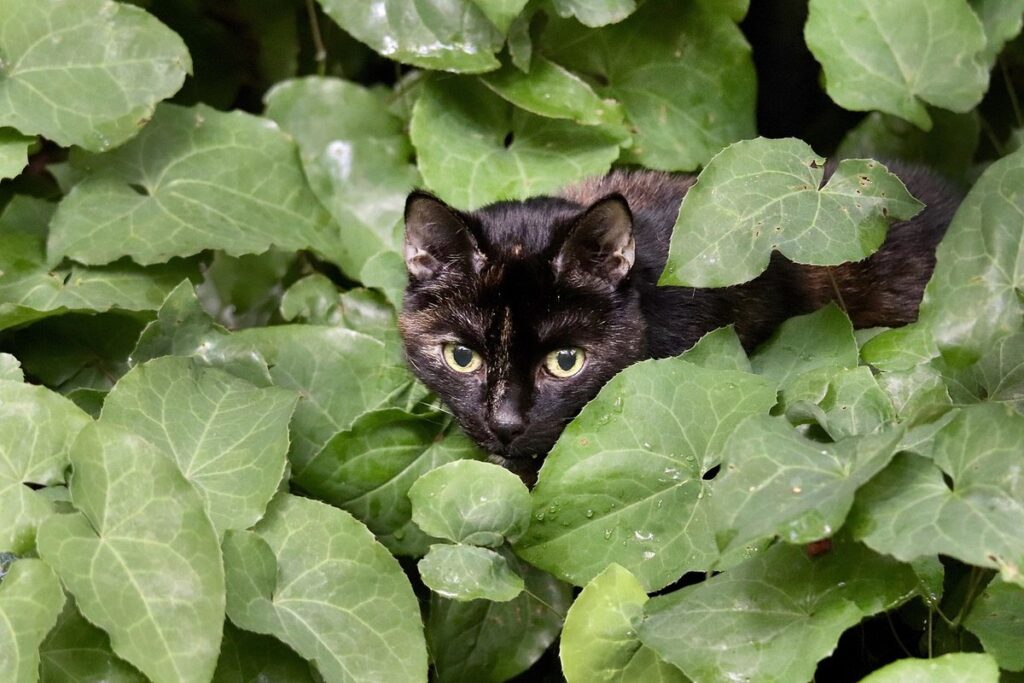
Common Flower Allergies in Cats
If you suspect that your cat is allergic to flowers, it’s essential to identify which blooms might be triggering their reactions, and we’ll explore some common culprits here. Let’s dive into the most allergenic flowers for cats.
Understanding Feline Allergy Mechanisms
When it comes to understanding feline allergy mechanisms, it’s essential to grasp how cats develop allergies in the first place. Cats have a unique immune system that sets them apart from humans and other animals. Unlike us, their immune system is geared towards detecting and responding to potential threats, especially pathogens like bacteria and viruses.
However, this heightened sensitivity can also lead to allergic reactions when exposed to harmless substances like pollen, dust mites, or even certain flowers. This is because the cat’s immune system mistakenly identifies these allergens as foreign invaders and launches an inflammatory response to eliminate them.
As a result, cats may exhibit symptoms such as sneezing, itching, and excessive grooming. If you suspect your cat has a flower allergy, it’s crucial to identify the specific culprit causing the reaction. This involves consulting with your veterinarian to rule out other potential causes of the symptoms and implementing measures to minimize exposure to the allergenic flower.
By understanding how allergies develop in cats, you can take proactive steps to prevent or alleviate their symptoms and create a more comfortable living environment for your feline friend.
Identifying Signs of Flower Allergies in Cats
If you suspect that your cat is allergic to flowers, it’s essential to identify the signs of an allergy as soon as possible. Cats with flower allergies can exhibit a range of symptoms, from mild skin irritation to life-threatening respiratory issues.
Some common signs of flower allergies in cats include excessive scratching or grooming, leading to hair loss and skin lesions. You may notice your cat constantly licking or chewing at their paws, belly, or face, which can cause redness, swelling, and open sores. In more severe cases, flower allergies can trigger respiratory problems such as sneezing, coughing, and difficulty breathing.
If you suspect that your cat is experiencing any of these symptoms after exposure to flowers, it’s crucial to consult with a veterinarian for proper diagnosis and treatment. To monitor your cat’s behavior and health, keep an eye out for any changes in their skin or respiratory system, especially during peak pollen seasons or after visiting areas with high concentrations of certain flowers.
Keep in mind that some flower allergies can be seasonal, while others may be triggered by specific types of blooms.
Most Common Flowers That Cause Cat Allergies
If you suspect your feline friend is allergic to flowers, it’s essential to know which ones are most likely to trigger their allergies and what you can do about them. Let’s take a closer look at some common culprits.
Pollen-Producing Flowers: A Major Culprit
When it comes to cat allergies, certain flowers are notorious culprits. Pollen from plants like tulips, daffodils, and lilies is particularly problematic for felines. These beautiful blooms may add color and vibrancy to our gardens, but they can also trigger severe reactions in cats.
The pollen from these flowers contains proteins that are easily airborne and can be inhaled by your cat. When this happens, it can lead to a range of symptoms, from mild discomfort to full-blown allergic reactions. Some common signs of flower-related allergies in cats include sneezing, coughing, runny eyes, and skin irritation.
If you suspect that your cat has an allergy to pollen-producing flowers, there are steps you can take to minimize their exposure. For example, you can remove any plants from your home or garden that trigger reactions. Keep windows and doors closed during peak pollen times to prevent the allergens from entering your home. Additionally, consider using HEPA air purifiers to reduce the amount of airborne pollen in your environment.
In severe cases, an allergy test may be necessary to confirm the diagnosis. Consult with your veterinarian to determine the best course of action for your cat’s specific needs.
Ornamental Flowers with Potent Oils
When it comes to ornamental flowers that contain potent oils triggering allergic responses in cats, some popular varieties come to mind. Orchids, for instance, are known for their elegant appearance but also pack a punch when it comes to allergenic potency. These flowers release tiny oil particles into the air, which can cause irritation and inflammation in sensitive felines.
African violets are another culprit in this category. Their delicate appearance belies the potent oils they contain, which can trigger allergic reactions in cats who come into contact with them. Begonias also fall under this umbrella, as their oil-rich leaves and flowers can cause skin irritation and respiratory issues in cats.
To protect your feline friends from these allergenic blooms, it’s essential to identify and avoid them altogether. If you’re a fan of ornamental flowers, consider opting for hypoallergenic varieties instead or taking steps to minimize exposure, such as using air purifiers or keeping the plants out of reach of your cat. By being mindful of these potent oils, you can create a safer environment for both you and your furry companions to thrive in.
Other Factors That Contribute to Flower Allergies
Besides petal type and scent, other factors can trigger flower allergies in cats, such as pollen count, soil quality, and even the surrounding environment. Let’s take a closer look at these lesser-known contributors.
Environmental Triggers: Temperature and Humidity
When it comes to flower allergies in cats, environmental factors like temperature and humidity levels can play a significant role in exacerbating symptoms. You see, just as humans react differently to changes in the environment, so do our feline friends.
Temperature is one such factor that can impact your cat’s allergy response. High temperatures, often above 80°F (27°C), can cause pollen counts to soar, making it harder for your cat to breathe. This is because warm air can release more allergenic particles from flowers and trees, increasing the amount of airborne pollutants.
Humidity also has a significant effect on flower allergies in cats. When the air is too humid – usually above 60% relative humidity – mold and fungus growth accelerate, releasing more spores into the environment. These spores can exacerbate your cat’s allergy symptoms, making it uncomfortable for them to breathe or even causing skin irritation.
To minimize your cat’s exposure to environmental triggers, keep their living space well-ventilated, especially during peak pollen seasons. You can also use air purifiers or HEPA filters in your home to remove allergens from the air. Keep an eye on temperature and humidity levels, aiming for a comfortable range between 60°F (15°C) and 70°F (21°C), with moderate humidity around 40-50%.
Genetic Predisposition to Allergies
Genetics play a significant role in determining whether your cat will develop allergies to certain flowers. Research suggests that if one of your cats has an allergy, it’s likely that the rest of your feline family members are also at risk. This is because allergies can be inherited, and the likelihood of developing an allergy increases with each generation.
If you have a cat that’s already allergic to pollen or dust, it’s essential to take precautions when introducing new flowers into your home. Some flowers are more likely to trigger allergies than others, such as orchids, lilies, and roses. If you notice your cat exhibiting symptoms like sneezing, itching, or excessive grooming after being around certain flowers, it’s likely an allergic reaction.
To determine if your cat has a genetic predisposition to flower allergies, monitor their behavior and reactions closely. Keep a record of which flowers they’ve been exposed to and the severity of any symptoms that occur. This will help you identify potential allergens and take steps to minimize exposure.
Prevention and Treatment Options for Flower-Allergic Cats
If your cat is allergic to flowers, there are ways to prevent exposure and alleviate symptoms. We’ll explore prevention strategies and treatment options to keep your kitty comfortable and healthy.
Minimizing Exposure: A Key Part of Management
Minimizing exposure to flowers is crucial for managing flower allergies in cats. Since you can’t eliminate all flowers from your cat’s environment, it’s essential to take steps to reduce their presence and minimize the allergens that trigger allergic reactions.
One effective way to minimize exposure is by using air purifiers. These devices remove airborne particles, including pollen and spores, from the air, reducing the amount of allergens your cat inhales. When selecting an air purifier, look for one with a HEPA filter, which captures 99.97% of particles as small as 0.3 microns.
In addition to using air purifiers, keeping your home clean is vital in minimizing exposure. Regularly vacuum carpets and upholstery, especially in areas where your cat spends most of its time. Use a vacuum cleaner with a HEPA filter to trap allergens, and consider replacing carpet with hardwood or tile flooring, which is easier to clean.
By implementing these simple steps, you can significantly reduce the amount of flower allergens in your home, making it a safer environment for your allergic cat.
Medications and Alternative Therapies
When it comes to managing flower allergies in cats, medical treatments play a crucial role. Your veterinarian may prescribe antihistamines to alleviate symptoms such as itching and redness. However, these medications often come with side effects like drowsiness.
Corticosteroids are another option for treating mild to moderate flower allergy symptoms. These medications can be given orally or topically, reducing inflammation and swelling. But corticosteroids also have potential drawbacks, including weight gain and increased thirst.
In more severe cases, immunomodulatory therapy may be necessary. This treatment involves administering medication that modulates the cat’s immune system response to allergens. The goal is to reduce symptoms without suppressing the immune system entirely.
It’s essential for you to discuss the risks and benefits of each option with your veterinarian before starting treatment. Together, you can develop a plan tailored to your cat’s specific needs and health status. Be sure to follow the medication regimen carefully and monitor your cat’s response closely.
Frequently Asked Questions
What are the long-term effects of flower allergies on my cat’s health?
If left untreated, flower allergies can lead to chronic skin problems, respiratory issues, and even anaphylaxis, which is a life-threatening allergic reaction. It’s crucial for cat owners to be aware of these potential consequences and take proactive steps to prevent flower allergies in their pets.
How do I identify the specific flowers that are causing my cat’s allergic reactions?
Monitoring your cat’s behavior and symptoms can help you pinpoint the problematic blooms. Start by introducing small amounts of new flowers into your home and observe any adverse reactions. If you suspect a particular flower is triggering an allergy, remove it from your environment and see if your cat’s symptoms improve.
Can I use over-the-counter medication to treat my cat’s flower allergies?
Yes, antihistamines and corticosteroids can be effective in managing mild allergic reactions. However, always consult with a veterinarian before administering any medications to ensure the best course of treatment for your feline friend. They can help you determine the proper dosage and frequency.
How do I balance my love for flowers with keeping them safe from my cat?
Some creative solutions include placing potted plants in high areas out of reach, using artificial blooms that mimic real flowers, or even setting up a “cat-free” zone where your feline companions can’t access. By being mindful of your cat’s allergies and taking proactive steps, you can enjoy your beautiful garden while keeping your pet safe.
What are some alternatives to traditional flowers for decoration?
Consider opting for hypoallergenic options like orchids, succulents, or air plants that produce minimal pollen or oils. You can also explore synthetic flower arrangements or decorative items made from materials other than plants. These choices will allow you to maintain a lovely aesthetic without putting your cat’s health at risk.