
Have you ever watched your cat swish its tail back and forth, seemingly with a mind of its own? You’re not alone in wondering if cats have complete control over their tails. The fascinating world of feline communication is full of mysteries waiting to be unraveled. It’s time to debunk the common misconception that cats are mindlessly flailing their tails – instead, we’ll explore how they use this vital appendage to communicate, balance, and even deceive. From the subtle signals they send through tail language to the surprising ways they manipulate their tails for stealth, it’s clear that our feline friends have a remarkable level of control over this versatile feature. In this article, we’ll delve into the science behind why cats move their tails and uncover the secrets of cat communication.
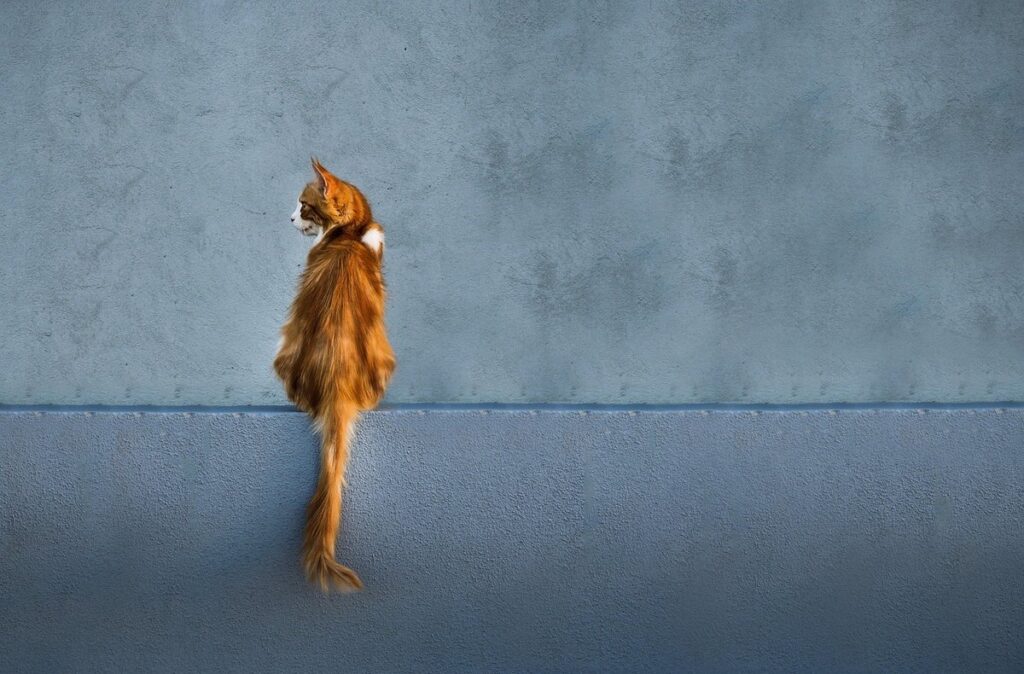
The Anatomy of a Cat’s Tail
Your cat’s tail is more than just a cute little appendage – it’s a highly expressive and functional part of their body that conveys emotions and intentions. Let’s take a closer look at its anatomy to understand how it works.
Muscles and Nerves in the Tail
When we talk about a cat’s tail, it’s easy to overlook its intricate anatomy. Beneath its fluffy exterior lies a complex system of muscles, nerves, and blood vessels that work together to enable movement.
The tail contains several layers of muscles, including the longissimus caudae, which runs along the length of the spine, and the multifidus caudae, which provides additional support and flexibility. These muscles are innervated by a network of nerves, including the posterior branch of the dorsal nerve and the caudal branches of the lumbar nerves. This nervous system allows for precise control over the tail’s movements.
This complex anatomy is essential for a cat’s balance and communication. When a cat wants to express its mood or intentions, it uses subtle changes in its tail position, flicking it back and forth or holding it still. By understanding the muscles and nerves that govern this movement, we can better appreciate the intricate language of feline body language.
Flexibility and Mobility
A cat’s tail is more than just a cute, fluffy appendage – it’s a highly versatile tool that plays a crucial role in their daily lives. When it comes to flexibility and mobility, a cat’s tail is surprisingly agile, allowing them to express a wide range of emotions through its position and movement.
In terms of balance, a cat’s tail acts as a counterweight, helping them to maintain equilibrium when making sharp turns or quick changes in direction. Have you ever seen a cat running towards you at top speed, only to suddenly stop on a dime? It’s all thanks to the help of their tail, which is constantly adjusting its position to compensate for any loss of balance.
But a cat’s tail isn’t just useful for physical activities – it’s also an essential tool for communication. By twitching, lashing, or even holding its tail still, a cat can convey a wealth of information about its mood and intentions. For example, a tail held high and stiff might indicate aggression or defensiveness, while a loose, relaxed tail suggests contentment and friendliness.
By paying attention to your cat’s tail language, you can better understand their behavior and build a stronger bond with them.
Why Cats Move Their Tails
Let’s get curious about why cats move their tails, as it’s a fascinating aspect of feline communication that reveals so much about their emotions and intentions.
Communication and Expression
When your cat wags its tail, it’s not just for show. The way they move their tail can convey a wealth of information about their emotional state and intentions. Just like humans use body language to communicate, cats have developed their own unique language through the movements of their tails.
For instance, a slow, sweeping motion often indicates contentment or happiness. You might see your cat’s tail wagging lazily as it lounges in the sun, a clear sign that they’re feeling relaxed and at ease. On the other hand, a rapid, twitchy movement can signal anxiety or agitation. If you notice your cat’s tail flicking back and forth as they pace around the room, it may be a sign that they’re feeling stressed or overwhelmed.
Pay attention to the context of your cat’s tail language. For example, if their tail is held high while they’re exploring a new environment, it may indicate confidence and curiosity. But if their tail is tucked between their legs in a similar situation, it could suggest fear or hesitation. By paying attention to these subtle cues, you can better understand what your cat is trying to communicate – and respond accordingly.
Balance and Coordination
When a cat moves its body, whether it’s jumping, pouncing, or simply walking, its tail plays a crucial role in maintaining balance and coordination. This may seem counterintuitive at first, as the tail is often considered an appendage that wags or swishes without much purpose. However, in reality, the tail serves as an additional limb, helping cats to adjust their center of gravity and make precise movements.
As a cat’s tail moves, it provides a visual cue about the direction its body is leaning. This helps the cat to correct its posture and maintain stability, especially when making sharp turns or quick changes in direction. In fact, some studies have shown that cats with shorter tails are more prone to stumbling and losing their balance due to this lack of feedback.
If you’re a cat owner, observe your feline friend’s tail movements during playtime or everyday activities. You’ll likely notice how the tail swishes back and forth in sync with the body’s movements. This is not just a nervous habit – it’s an essential mechanism that helps your cat stay upright and agile. By paying attention to this natural behavior, you can gain a deeper understanding of your cat’s balance and coordination needs.
Do Cats Have Control Over Their Tails?
Cats have long been known for their impressive tail-wagging abilities, but do they actually control these movements, or is it just a reflexive action? Let’s explore this fascinating aspect of feline behavior.
The Science Behind Tail Movement
Cats move their tails for various reasons, and understanding the science behind it can provide insight into their behavior. The feline tail is a complex structure consisting of 19 muscles that allow for flexibility and movement. These muscles are controlled by the nervous system, specifically the spinal cord and brain.
When cats communicate with each other through body language, they use their tails to convey emotions and intentions. A twitching or lashing tail can signal agitation or annoyance, while a slow, sweeping motion may indicate contentment or relaxation. Cats also use their tails to balance during movements like jumping or quick changes in direction.
Research has shown that cats’ tails are highly sensitive, containing nerve endings similar to those found in human fingertips. This sensitivity allows them to detect even slight changes in temperature and texture. So, the next time you notice your cat’s tail moving, remember that it’s not just a reflex – it’s a complex communication tool influenced by both physical and nervous system factors.
Can Cats Intentionally Move Their Tails?
Cats have long been known for their agile and expressive bodies, but one aspect of their anatomy that often sparks curiosity is their tail. While it’s widely acknowledged that cats can move their tails with remarkable dexterity, the question remains: do they intentionally control these movements or are they simply a reflex action?
Research suggests that cats do indeed have some degree of voluntary control over their tail movements. This is especially evident in situations where they’re trying to communicate with their human caregivers or other animals. For instance, a cat may deliberately wave its tail back and forth to signal excitement or friendliness, or tuck it between its legs to indicate fear or anxiety.
However, it’s also clear that reflexes play a significant role in tail movements. Cats use their tails as counterbalance when making sharp turns or quick changes in direction, much like a tightrope walker uses a pole for stability. In these situations, the tail is moving without any conscious thought on behalf of the cat. So while cats do have some control over their tail movements, it’s likely that both voluntary and reflexive actions are at play.
The Role of Experience in Shaping Tail Behavior
When it comes to tail behavior, understanding how a cat’s past experiences shape their movements is crucial. Let’s dive into the fascinating role experience plays in this feline phenomenon.
Learning and Habituation
As kittens grow and develop, they learn to associate tail movement with various emotions, behaviors, and experiences. This learning process is crucial in understanding why cats control their tails in certain situations. Kittens are born with a flexible spine that allows for extensive tail movement, which serves as a vital communication tool.
In the first few months of life, kittens begin to notice the connection between their tail movements and their mother’s reactions. For example, when a kitten pounces on its sibling or playfully attacks its mother’s fur, it may see its mother swat at it with her paw or give a gentle nip. The kitten quickly learns that its tail movement can elicit a response from its mother, whether it’s playful or disciplinary.
As kittens mature, they refine this understanding and begin to associate specific tail movements with emotions like excitement, fear, or aggression. By around six months of age, most kittens have developed the ability to control their tail movements in response to various stimuli.
Environmental Factors Influencing Tail Movement
When it comes to understanding why cats move their tails, environmental factors play a significant role. Stress is one of the most common triggers for tail movement. Have you ever noticed that your cat’s tail starts twitching or lashing when they’re about to pounce on a toy? This is often an indication of excitement and anticipation. However, if your cat’s tail is held low or tucked between their legs, it could be a sign of stress or anxiety.
Social situations can also influence tail behavior. For example, when two cats meet for the first time, they may display their tails as a form of communication. A slow blink and a relaxed tail posture can signal friendship and trust, while a fast-paced, rapid tail movement may indicate aggression or defensiveness. By paying attention to these subtle cues, you can better understand your cat’s emotional state.
Being aware of these environmental influences on tail behavior allows you to respond in ways that promote relaxation and calmness in your cat, such as providing a quiet space for them to retreat to when they feel overwhelmed.
Misconceptions About Cat Tail Control
You might be wondering if cats can actually control their tails, or if it’s just a reflex. Let’s debunk some common misconceptions about cat tail behavior.
Separating Fact from Fiction
When it comes to cat tail control, there are several misconceptions that have been perpetuated over time. One of the most common myths is that cats deliberately swish their tails to communicate with their owners. While it’s true that a swishing or lashing tail can indicate agitation or irritation in some cases, this isn’t always the case.
In reality, cats often exhibit self-soothing behaviors like swishing their tails when they’re feeling anxious or stressed. This is because they have no other way to release pent-up energy, and it becomes an automatic response to calm themselves down. For instance, you might notice your cat swishing its tail while waiting for food or during a thunderstorm.
Another misconception is that cats can voluntarily control their tails at will. While some cats may appear to deliberately lash or swish their tails, this is often more of an instinctual reaction rather than a conscious decision. Research has shown that the muscles responsible for tail movement are largely involuntary and can be triggered by even slight changes in mood or environment.
So, how can you tell if your cat’s tail is genuinely communicating with you? Pay attention to other body language cues like ear position, pupil dilation, and vocalization. If your cat is exhibiting multiple signs of agitation or stress, it’s likely that the swishing tail is just one part of a larger response. By learning to recognize these patterns, you can better understand what your cat is trying to tell you – and even develop strategies for calming them down when they’re feeling overwhelmed.
The Importance of Understanding Cat Behavior
To truly appreciate a cat’s tail language, it’s essential to grasp the underlying reasons behind their behavior. Let’s dive into why understanding feline behavior is crucial for decoding their tail signals.
Implications for Training and Interaction
Understanding cat tail language can significantly enhance human-cat interactions, leading to stronger bonds and more effective training. By recognizing the various meanings behind a cat’s tail swishes, twitches, and positions, you can tailor your approach to their unique personality and needs.
When interacting with your cat, pay attention to their tail’s position and movement. If they’re holding it high and still, they likely feel confident and content. However, if it’s tucked between their legs or held low and still, they may be feeling anxious or fearful. Recognizing these cues can help you approach them gently and avoid sudden movements that might trigger a reaction.
Tail language also plays a significant role in training your cat. For instance, when teaching basic commands like “sit” or “stay,” consider the position of their tail as an indicator of focus and engagement. If they’re paying attention and following instructions with a still or slightly raised tail, they’re more likely to learn and respond positively.
To improve human-cat interactions through understanding cat tail language:
* Watch for subtle changes in your cat’s tail behavior during interactions
* Adjust your approach to match their emotional state
* Reward calm and focused behavior during training sessions
* Recognize that each cat is unique, so be prepared to adapt your interaction style accordingly
By paying attention to these often-overlooked cues, you can strengthen your bond with your feline companion and create a more harmonious relationship built on mutual understanding.
Frequently Asked Questions
How can I observe my cat’s tail language to improve our communication?
By paying attention to your cat’s tail movements, you can better understand their emotions and intentions. Watch for signs of excitement or aggression, such as a puffed-out tail, versus a more relaxed, tucked-in posture. Note that individual cats may exhibit unique tail language, so observe your cat’s specific behavior to develop a deeper understanding.
Can I teach my cat to control its tail through training?
While cats can learn to associate certain actions with rewards or attention, it’s unlikely they’ll consciously control their tails like humans do. Focus on building trust and strengthening the bond between you and your cat, rather than trying to manipulate their tail movements.
How do environmental factors impact a cat’s tail movement?
Changes in environment, such as new furniture or changes in lighting, can affect a cat’s tail behavior. Cats may exhibit more agitation or anxiety due to unfamiliar surroundings, causing them to move their tails more rapidly. Be patient and allow your cat time to adjust to new environments.
Are there any potential health issues related to excessive tail movement?
While normal tail movement is essential for balance and expression, excessive swinging or twitching can be a sign of underlying issues like arthritis, anxiety, or neurological problems. Consult with a veterinarian if you notice unusual behavior in your cat’s tail movements.
Can I use my cat’s tail as an indicator of their emotional state?
A cat’s tail can indeed provide insight into their emotions. However, it’s essential to consider the context and individual personality when interpreting tail language. A normally calm cat may exhibit a puffed-out tail in response to play, while another cat might show aggression through a similar posture.