
As you start decorating your home for the holiday season, don’t forget about one very special member of your family: your cat. Christmas trees can be especially hazardous for curious kitties, who love to explore and play with anything that catches their eye – including fragile ornaments and sparkling lights.
In this article, we’ll share our expert guide on how to keep your feline friends safe around the Christmas tree, decorations, and all the festive paraphernalia. We’ll cover essential tips on choosing cat-safe trees and decorations, as well as maintenance advice for minimizing the risks associated with having a live Christmas tree in the house.
Whether you’re a seasoned pet owner or a newcomer to cat parenting, our guide will help ensure your holiday season is joyful and stress-free – for both you and your kitty.
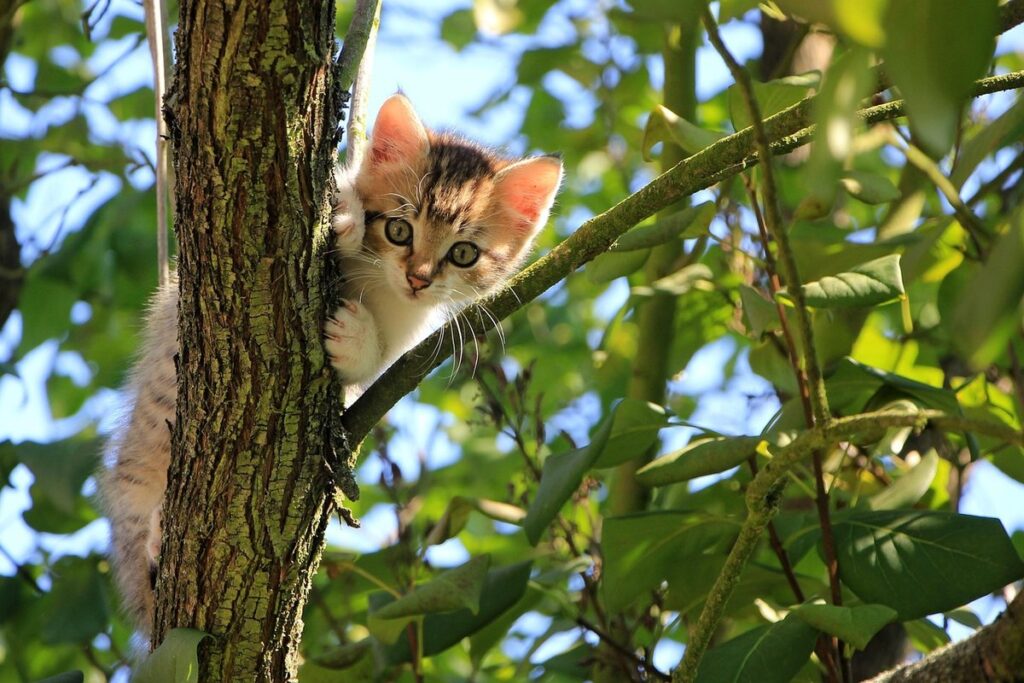
Choosing a Pet-Friendly Tree Type
When it comes to choosing a pet-friendly tree, there are several factors to consider to ensure your cat stays safe and happy around the holiday decor. Look for trees that meet specific criteria.
Natural vs Artificial Trees
When it comes to choosing a pet-friendly tree for your home, one of the key decisions is whether to opt for a natural or artificial tree. Both types have their pros and cons, which we’ll explore below.
Natural trees are a classic choice for many families during the holiday season. They provide a more authentic look and feel, with branches that sway in the breeze and a soft, evergreen scent. However, they can be hazardous to cats due to sap or pine needles, which can cause digestive issues if ingested. Additionally, natural trees often shed their needles, creating a mess that your cat may find tempting to play with.
Artificial trees, on the other hand, are made from durable materials and are generally safer for cats. They’re also lower maintenance, as they don’t shed or produce sap. However, some artificial trees may contain chemicals or dyes that can be toxic to cats if ingested. When shopping for an artificial tree, look for one made from non-toxic materials and avoid any with small parts that your cat could choke on.
Ultimately, the decision between a natural and artificial tree comes down to personal preference and what’s best for your feline friends. If you do choose a natural tree, make sure to secure it firmly to prevent it from tipping over and create a safe zone around it to keep your cat away.
Considerations for Real Trees
Real trees can be a choking hazard for cats if not properly secured or maintained. If your cat is prone to exploring and playing with plants, it’s essential to take extra precautions when bringing a real tree into your home. A loose branch or a fallen pine needle can easily get stuck in your cat’s throat, leading to serious health issues.
To make your real tree safer for cats, ensure that the stand is sturdy and won’t tip over if your cat tries to climb on it. Secure any loose branches or fragile ornaments with wire or twine, and keep an eye on your cat when they’re near the tree. You can also try covering the area around the tree with a cat-deterrent such as aluminum foil or double-sided tape to discourage your cat from investigating.
Additionally, consider choosing a tree species that’s less likely to shed needles, like Fraser Firs or Douglas Firs, and keep the tree away from areas where your cat likes to sleep or eat. By taking these simple precautions, you can enjoy the festive ambiance of a real tree while keeping your furry friend safe.
Tree Location: Where to Place Your Christmas Tree
When it comes to setting up your cat-friendly Christmas tree, choosing the right spot is crucial for keeping your feline friends safe and happy. Consider a few key factors when deciding where to place your tree.
Avoiding High-Risk Areas
When it comes to placing your Christmas tree, it’s essential to think about your cat’s habits and preferences. Cats have a natural instinct to claim territory by rubbing against surfaces and marking their scent. This means they may frequent areas where they feel comfortable or secure, which could potentially be near the tree.
Identify high-risk zones in your home where your cat likes to sleep, eat, or play. These might include their favorite napping spots on a windowsill or beside a cozy blanket. Move the tree away from these areas to prevent accidental collisions and reduce the likelihood of your cat getting tangled in the branches.
Consider placing the tree at least three feet away from your cat’s favorite routes to avoid tempting them with its proximity. Also, be mindful of your cat’s food stations; if they often eat near a particular area, it’s best to keep the tree on the opposite side of the room to prevent over-enthusiastic exploring.
By taking these precautions, you’ll create a safer environment for both your cat and your Christmas decorations.
Using Baby Gates and Barriers
When it comes to keeping your curious cats away from the Christmas tree, baby gates and barriers can be a lifesaver. These simple yet effective tools can block off access to the tree area, preventing your feline friends from climbing onto the branches or getting tangled in the lights.
To set up a barrier around your tree, start by placing a baby gate at the entrance of the room where the tree is located. You can also use freestanding barriers or pet gates that can be easily moved to different locations. Make sure to secure the gate or barrier to the wall or floor to prevent it from tipping over.
Another option is to use cord protectors and tuck the cords under the edges of the carpet or rug to prevent your cat from accessing them. You can also try placing a physical barrier, such as a baby gate or screen door, between the tree and your cat’s favorite lounging spots. By taking these simple steps, you can keep your curious cats safe and enjoy your beautiful Christmas tree without worrying about any accidents.
Tree Decorations: Safe or Not?
When it comes to decorating your Christmas tree, you might be wondering if certain ornaments and decorations are safe for your curious kitty to get near. We’ll explore some of these popular tree decor items and their potential risks.
Ornaments and Tinsel Risks
When it comes to decorating your Christmas tree, it’s easy to get caught up in the excitement of adding ornaments and tinsel. However, both can pose a significant risk to your cat’s safety. Ornaments, for example, are often made of breakable materials like glass or ceramic. If your curious kitty decides to bat at one, it could shatter into sharp pieces that they can easily ingest.
The ingestion risks associated with ornaments and tinsel cannot be overstated. Even if your cat doesn’t swallow the entire ornament, the fragments can still cause internal damage and potentially lead to an emergency surgery. Tinsel is particularly hazardous as it’s made of thin strips of metal that can get tangled around your cat’s digestive tract, causing a life-threatening obstruction.
To avoid these risks, try swapping breakable ornaments for ones made of safer materials like plastic or fabric. You can also use festive ribbons and garlands instead of tinsel. If you do have fragile ornaments, consider placing them out of reach or using cord protectors to prevent your cat from accessing them. Remember, it’s always better to err on the side of caution when it comes to your furry friend’s safety during the holiday season.
Edible Decorations: A No-No for Cats
When it comes to decorating your Christmas tree with edible treats, it’s essential to remember that cats see these decorations as toys rather than snacks. Candy canes and cookies may look like fun additions to your tree, but they pose a significant choking hazard for our feline friends. A single candy cane is small enough to fit entirely in the throat of an adult cat, causing an immediate blockage.
Similarly, cookies and other baked goods are not only choking hazards but also toxic to cats due to ingredients like chocolate and xylitol. Even if you think your cat won’t eat a specific decoration, it’s still possible for them to ingest small pieces while batting at the tree or playing with ornaments.
To keep your cat safe during the holiday season, avoid using edible decorations altogether. Instead, opt for non-toxic, breakable ornaments that won’t shatter into tiny pieces if knocked off the tree. If you do have edible decorations on hand, consider keeping them out of reach or placing a barrier between your cat and the tree to prevent unwanted snacking.
Tree Maintenance: Keeping Your Cat Safe
When it comes to decorating your home for Christmas, keeping your cat safe around the tree is a top priority. This section will cover essential maintenance tips to prevent accidents and injuries.
Water Risks and Drying
When it comes to keeping your cat safe around the Christmas tree, there are two important things to consider: making sure the tree stays watered and preventing it from getting too dry. It might seem counterintuitive, but a tree that’s not properly hydrated can attract curious cats who love to explore with their tongues.
Dried-out trees can develop mold or mildew, which releases a strong scent that’s irresistible to cats. If your cat gets into the tree and starts licking at it, they may ingest these toxic spores, leading to serious health issues. To prevent this, check the tree stand regularly to ensure the water level is adequate. Add water as needed to keep the tree hydrated, but also make sure not to overwater, which can cause root rot.
A good rule of thumb is to add one quart of water for every inch of tree height. You should also use a tree stand with a built-in water reservoir or a decorative tree skirt that prevents water from spilling onto the floor. By keeping your Christmas tree properly watered and preventing it from getting too dry, you’ll be protecting not just your cat’s safety but also preserving the tree’s health for years to come.
Cleaning Up Messes
Cleaning up spills and messes around the tree without exposing your cat to hazardous materials requires some planning and quick thinking. Start by keeping a designated cleaning station near the tree with supplies like paper towels, a damp cloth, and pet-safe cleaning products.
If you notice a spill or mess on the floor, act fast to prevent it from getting into the carpet or onto surfaces where your cat likes to lounge. For minor spills, use paper towels to blot the area – don’t wipe as this can spread the spill further. If the spill is more significant, grab a damp cloth and gently blot the area, working from the outside inwards.
When cleaning up messes around the tree, avoid using harsh chemicals or fragrances that might harm your cat. Instead, opt for pet-safe cleaning products specifically designed for household use. For example, white vinegar and water can be used to clean surfaces without posing any risk to your cat. Remember to always read labels carefully before using any new cleaning product in your home.
Lastly, consider setting aside some time each day to quickly tidy up around the tree, removing ornaments or decorations that might have fallen off and picking up stray needles or other debris that could be hazardous for your cat.
Safety Tips for Cat Owners Who Love Christmas
As you deck the halls and trim the tree, it’s easy to forget that your curious cat is lurking nearby, ready to investigate the sparkling lights and dangling ornaments. Here are some essential safety tips to keep them safe this holiday season.
Supervising Your Cat Around the Tree
When it comes to cat-proofing your Christmas tree, one of the most crucial steps is supervising your feline friend when they’re near the branches. It’s essential to keep a close eye on your cat at all times to prevent accidents and damage to the tree.
Cats are naturally curious creatures, and Christmas trees offer an irresistible temptation for them to explore. Signs that your cat might be getting too curious include: pawing at ornaments, batting at lights, or attempting to climb up the trunk. If you notice any of these behaviors, it’s time to intervene quickly.
Here’s a simple trick to keep your cat occupied while you’re supervising: place a few favorite toys nearby, but out of reach from the tree. This will distract them long enough for you to redirect their attention elsewhere. Remember, it’s not just about keeping the tree intact; it’s also about preventing any potential harm to your feline companion.
Stay vigilant and keep an eye on your cat’s body language. If they appear agitated or stressed around the tree, it may be a sign that they need some space. In this case, consider relocating them to a different room while you’re decorating or setting up the tree.
Emergency Preparedness
Accidents can and do happen around Christmas trees, especially when cats are involved. So, what should you do if your cat ingests something toxic or gets injured near the tree? First and foremost, stay calm and act quickly.
If you suspect that your cat has ingested something toxic from the tree, such as ornaments, lights, or pine needles, contact your veterinarian or a pet poison hotline immediately. They can guide you on the best course of action and provide emergency treatment if necessary. Keep an eye out for signs like vomiting, diarrhea, lethargy, or difficulty breathing.
In case of an injury, assess the severity of the wound and clean it gently with mild soap and water. Apply a bandage to protect the area from further irritation. Monitor your cat’s behavior closely and seek veterinary attention if you notice any changes in appetite, vomiting, or increased thirst.
It’s also essential to have a pet first-aid kit on hand, which should include items like gauze, antiseptic wipes, and tweezers. Keep the phone numbers of your veterinarian and local animal hospitals handy, just in case.
Alternatives to Traditional Christmas Trees
If you’re concerned about your cat getting into harm’s way around a traditional tree, consider these creative alternatives that are just as festive and fun. We’ll explore some unique options for you to try this season!
Cat-Friendly Tree Options
If you’re looking for an alternative to traditional Christmas trees that’s safe for your feline friends, consider opting for a cactus tree. These prickly plants may not be the first thing that comes to mind when thinking about Christmas decor, but they’re actually a great option for cat owners. Not only are they low-maintenance and compact, but they also come in a variety of shapes and sizes to fit any space.
Another option is a small tabletop tree. These tiny trees are perfect for apartments or small homes where traditional trees might not fit. They’re usually made of lightweight materials like glass or plastic, which makes them easy to move around without scratching your cat’s favorite surfaces.
When choosing either of these options, be sure to keep an eye on your cat’s behavior around the new decoration. Some cats may still find it tempting to climb or nibble on the tree, so it’s essential to supervise and provide a safe environment for both you and your pet.
DIY Ideas for a Pet-Friendly Holiday Display
Get creative with pet-friendly holiday decor ideas that don’t involve toxic materials or hazards. One way to achieve this is by repurposing items you already have at home. For instance, use old CDs, books, or cardboard boxes to create a unique and eco-friendly display. You can also reuse last year’s ornaments, garlands, and lights to reduce waste and minimize exposure to potentially hazardous materials.
To add some extra sparkle to your pet-friendly holiday display, try making your own decorations using natural elements like pinecones, twigs, and dried flowers. This not only reduces the risk of toxicity but also adds a personal touch to your decor. You can create beautiful garlands or wreaths by combining these natural elements with some simple ribbon or twine.
Consider upcycling old items into festive centerpieces for your dining table or mantel. An old glass vase, filled with candles and pinecones, can make a stunning centerpiece that’s both safe and stylish. By getting creative with repurposed materials, you can create a beautiful holiday display that’s both pet-friendly and eco-conscious.
When making DIY decorations, choose non-toxic materials like paper, fabric, or natural fibers to avoid any potential harm to your furry friends. Always supervise your pets when introducing new decorations to the home, and be prepared for any unexpected situations.
Frequently Asked Questions
What if I’ve already decorated my Christmas tree with ornaments that are toxic to cats?
If you’ve already decorated your tree, don’t panic! While it’s best to replace any potentially hazardous ornaments, you can take temporary measures to protect your cat. Move the tree to a high location or use baby gates and barriers to block access until you can replace the ornaments.
Can I still have a real Christmas tree if my cat is a notorious branch-bender?
Yes! Many cats love to play with branches, but that doesn’t mean you can’t have a real tree. Consider anchoring your tree firmly to the ceiling or using a heavy base to prevent it from tipping over. You can also try placing toys or scratching posts nearby to redirect your cat’s energy.
How often should I clean up messes under my Christmas tree?
As often as possible! Cats are notorious for tracking debris and dust around their favorite spots, so make sure to vacuum or sweep regularly. This will not only keep your home tidy but also reduce the risk of your cat ingesting hazardous materials.
What if my cat gets into the water from the tree’s stand?
This is a common concern during the holiday season! Keep a close eye on your cat around the tree, and consider using a waterproof stand or placing the tree in a location where it won’t come into contact with other water sources. Regularly check the water level to prevent bacterial growth.
Can I use cat-safe decorations as gifts for my feline friends?
Yes! While you may not want to give your cat actual ornaments, you can still create safe and engaging experiences for them using cat-friendly materials like yarn or paper. Just remember to supervise playtime closely to ensure your cat’s safety.