
The classic tabby cat with its vibrant orange coat is more than just a stunning visual treat. For many cat lovers, this breed embodies warmth, energy, and affectionate companionship. If you’re one of the lucky owners of a classic tabby cat or thinking of welcoming one into your family, it’s essential to understand their unique needs and characteristics. In this article, we’ll delve into the fascinating history and physical traits that make these cats so endearing, as well as explore their personality quirks, health considerations, care requirements, and nutritional needs. By providing a comprehensive overview, you’ll be equipped with the knowledge to give your feline friend the best possible life. From recognizing signs of stress to choosing the perfect diet, we’ve got everything covered to ensure your classic tabby cat orange thrives in its new home.
History of the Breed
The origins of the classic tabby cat orange are a fascinating topic, and understanding its history helps appreciate why it’s such a beloved companion. Let’s take a journey through time to discover where this breed came from.
Origins of the Domestic Shorthair
The domestic shorthair‘s ancestry is a fascinating tale that spans thousands of years, with one of its most influential roots tracing back to ancient Egypt. These majestic felines are believed to have descended from the Egyptian cat, which was revered for its hunting prowess and sacred status. As early as 3000 BC, Egyptians worshipped cats as deities, often mummifying them alongside their owners.
The Egyptians’ love affair with cats is thought to have contributed significantly to their domestication. As humans began to settle in Egypt’s fertile Nile delta, they likely took on the role of caretakers for stray or feral cats that roamed the area. Over time, these wild cats adapted to living among humans, eventually becoming an integral part of Egyptian households.
Interestingly, many of the Egyptian cat characteristics – such as their robust build, short coats, and curious nature – are still evident in today’s domestic shorthairs. This legacy is a testament to the enduring bond between humans and cats, which has remained relatively unchanged throughout the centuries.
Evolution into the Classic Tabby Cat
As you delve into the world of classic tabby cats, it’s essential to understand their evolutionary journey. The domestic shorthair, a precursor to many modern breeds, has undergone significant transformations over time. Initially, these early felines were wild and unpredictable, but as humans began to domesticate them, they started to adapt and change.
Through selective breeding and natural selection, the domestic shorthair’s coat patterns became more pronounced, leading to the development of distinct tabby patterns we see today. One of these patterns is the classic tabby, characterized by its distinctive M-shaped markings on the forehead and swirling patterns on the sides.
As humans continued to breed cats for desired traits, the classic tabby emerged as a distinct breed. Breeders focused on preserving the natural beauty of the domestic shorthair’s coat pattern while refining their physical characteristics. This selective breeding process led to the development of several distinct tabby patterns, including the classic tabby, mackerel tabby, and ticked tabby.
Today, the classic tabby remains one of the most popular breeds among cat enthusiasts, prized for its striking appearance and affectionate personality.
Physical Characteristics
Classic tabby cat oranges are known for their striking physical appearance, which includes a distinctive coat pattern and vibrant orange coloration. Let’s take a closer look at these characteristics.
Coat Pattern and Coloration
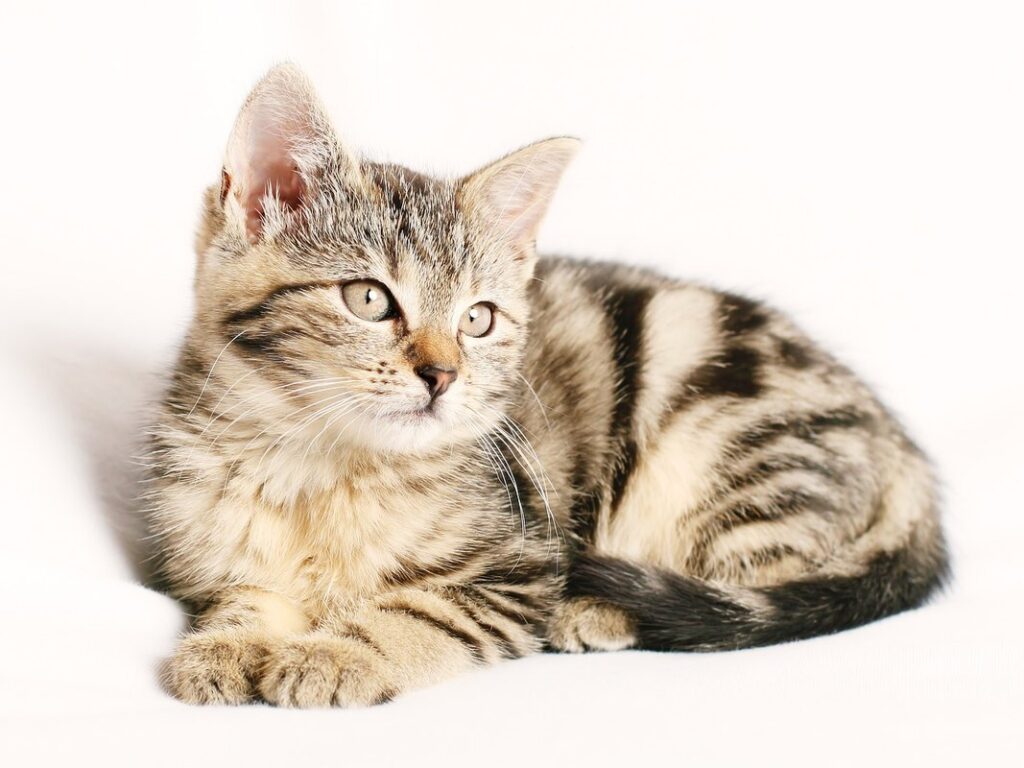
The classic tabby cat’s orange coat pattern is one of its most distinctive and recognizable features. Characterized by the M-shaped marking on the forehead, this pattern is a result of the interaction between two types of melanin: eumelanin and pheomelanin. The M-shaped mark is formed by the darker coloration that surrounds the eyes and nose, creating a gentle curve that resembles an “M” shape.
Classic tabby cats can display a range of orange shades, from a deep, burnt orange to a lighter, golden orange. Some may also exhibit subtle stripes or dots on their fur, adding depth and visual interest to their overall appearance. The intensity and distribution of these colors can vary greatly between individual cats, making each one unique.
If you’re trying to identify whether your cat is a classic tabby, look for the distinctive M-shaped marking on its forehead and the characteristic orange coat pattern that follows. Keep in mind that different shades of orange may occur due to genetics or environmental factors, so it’s not uncommon to see variations within this breed.
Body Type and Size
Classic tabby cats are known for their sturdy and compact build, which is one of their most distinctive physical characteristics. Typically, they weigh between 8-12 pounds (3.6-5.4 kg) and reach lengths of around 10-14 inches (25-35 cm), with males being slightly larger than females.
Their body type can be described as muscular yet sleek, with a broad chest and strong legs that support their robust build. The short, dense coat is another key feature of the classic tabby cat’s appearance, which helps to accentuate their overall shape and size. When you look at a classic tabby cat, you’ll notice how its compact body is perfectly proportioned to its head and tail, giving it a balanced and harmonious appearance.
In terms of contributing to their overall appearance, the classic tabby cat’s body type and size play a significant role in creating that signature “tabby” look. Their sturdy build and short coat help to create a sense of solidity and substance, while their compact length makes them appear more rounded and curvy than other breeds.
Personality Traits
As you’ve probably noticed by now, classic tabby cats have distinct personalities that shine through their curious and affectionate nature. Let’s dive into what makes these orange felines so unique!
Temperament and Affection Level
When it comes to personality traits, classic tabby cats are known for their unique blend of loyalty and adaptability. As pets, they form strong bonds with their owners, often becoming Velcro-like companions who love to be close by. Their affection level is typically high, making them great lap cats who adore being petted and cuddled.
One of the most notable characteristics of classic tabby cats is their loyalty. They tend to bond strongly with one person in particular, often following them around the house and demanding attention whenever they enter a room. While this can be endearing at times, it’s essential for owners to set boundaries and give these cats some space to prevent over-attachment.
In terms of adaptability, classic tabby cats are relatively easy-going, adjusting quickly to new environments and living situations. They’re also generally quiet, only meowing or purring when necessary – making them a great choice for apartment dwellers or those who prefer a low-maintenance pet. By understanding their temperament and affection level, owners can better tailor their care and attention to meet the needs of these lovable felines.
Intelligence and Playfulness
Classic tabby cats are renowned for their exceptional intelligence and playful nature, making them an absolute delight to have as companions. Their curious and adventurous spirit often leaves owners amazed by their quick wit and problem-solving skills. One of the most fascinating aspects of classic tabbies is their ability to adapt to new situations and environments with ease. This flexibility allows them to thrive in a variety of living settings, from apartments to houses with yards.
Their playful nature is another defining characteristic that sets classic tabbies apart. They are natural-born hunters, always on the lookout for toys or even household items to chase and pounce on. Engaging their playful side through puzzle toys, feather wands, or laser pointers can provide hours of entertainment for both cat and owner alike.
To tap into your classic tabby’s intelligence and playfulness, it’s essential to provide them with mental and physical stimulation. Regular playtime, combined with interactive toys and a stimulating environment, will keep their minds engaged and bodies active.
Health Considerations
When bringing a classic tabby cat into your home, it’s essential to be aware of the health considerations that come with owning this breed. This includes potential genetic issues and common health problems they may face.
Common Health Issues
Classic tabby cats are generally considered to be a healthy breed, but like all cats, they can be prone to certain health issues. One of the most significant concerns for classic tabby owners is hypertrophic cardiomyopathy (HCM), a heart condition that affects the muscle walls of the heart. This can lead to heart failure and is often identified in older cats. Responsible breeding practices aim to reduce the incidence of HCM by testing for the genetic markers associated with it.
Another common issue affecting classic tabby cats is patellar luxation, where the kneecap slips out of place. While this condition is more common in smaller breeds, some classic tabbies can also be affected. If you suspect your cat has patellar luxation, consult a veterinarian for proper diagnosis and treatment. To minimize the risk of these conditions, it’s essential to work with reputable breeders who prioritize health testing and responsible breeding practices.
It’s crucial to remember that every cat is different, and classic tabbies are no exception. Regular veterinary check-ups and a healthy lifestyle can help ensure your cat stays happy and healthy for years to come.
Grooming and Maintenance Needs
Classic tabby cats have a unique set of grooming needs that require attention to maintain their overall health and appearance. One essential task is nail trimming, which should be done every few weeks to prevent overgrowth that can cause discomfort and pain. It’s also crucial to clean your cat’s ears regularly to remove dirt, wax, and debris that can lead to infections.
In addition to these tasks, the coat of a classic tabby cat requires regular maintenance to keep it shiny and healthy-looking. This involves brushing your cat at least twice a week to prevent matting and tangling, especially around the neck and base of the tail. You should also be on the lookout for hairballs, which can form when your cat grooms itself.
To make grooming easier, use a gentle brush specifically designed for cats with long or medium-length coats. Start at the head and work your way down to avoid matting and tangling. Remember to reward your cat with treats and praise during these sessions to keep them relaxed and comfortable.
Care and Nutrition
When it comes to keeping your classic tabby cat orange happy and healthy, proper care and nutrition are essential. This means knowing what to feed them and how often they need to eat.
Dietary Requirements
When it comes to feeding your classic tabby cat, understanding their nutritional requirements is crucial for maintaining their overall health and well-being. These beautiful cats have a unique genetic makeup that affects their nutrient needs, making them require a specific diet.
High-quality commercial cat food is the best option for most owners, as it is formulated to meet a cat’s nutritional needs. Look for brands that are rich in protein from animal sources, moderate in fat, and low in carbohydrates. Some excellent options include grain-free or limited-ingredient diets that cater specifically to cats with sensitive stomachs.
If you prefer to prepare your cat’s meals at home, ensure that the diet is well-balanced and meets their specific needs. A classic tabby cat requires a mix of protein sources such as chicken, salmon, and beef, along with essential fatty acids from fish oil or flaxseed. Vitamins and minerals like vitamin E, taurine, and iron are also vital for maintaining their coat health, immune system function, and overall well-being.
Aim to feed your classic tabby cat 2-3% of their body weight in food daily, divided into two meals. For example, a 10-pound cat would require about 20-30 grams of high-quality protein per day.
Environmental Enrichment
As we strive to create an enriching environment for our classic tabby cats, it’s essential to provide them with opportunities to engage their natural behaviors. One of the most significant ways to do this is by offering scratching posts and pads. Cats have a unique instinct to scratch, which helps maintain their nail health and stretch their muscles. By providing sturdy scratching posts, we can redirect this behavior away from our furniture and encourage our cats to scratch where intended.
Climbing structures are another vital component of environmental enrichment for classic tabby cats. These can be as simple as cat trees or shelves that allow your cat to ascend and observe its surroundings. Not only do climbing structures provide exercise and mental stimulation, but they also give your cat a sense of security and control. Engaging toys, such as feather wands, laser pointers, and puzzle toys, should also be an integral part of their environment.
By incorporating these elements into your home, you can help create a stimulating environment that meets the physical and psychological needs of your classic tabby cat. With a little creativity, you can turn your living space into a feline playground that keeps your cat entertained, engaged, and happy.
Conclusion
In conclusion, classic tabby cat oranges are more than just a unique coat pattern – they’re also a testament to the incredible diversity of our feline friends. Whether you’re an experienced cat owner or a curious newcomer, understanding the characteristics and history behind these beautiful cats can help you appreciate their individual personalities even more. So, what can we take away from this journey into the world of classic tabby oranges? For one, it’s essential to remember that every cat is different, and their unique traits are what make them so lovable. By embracing their quirks and celebrating their individuality, we can strengthen our bond with these amazing animals.
When interacting with a classic tabby orange, be sure to take note of their distinctive coat patterns and colors. Observe how they interact with you and other pets in the household.
Frequently Asked Questions
What are some effective ways to provide environmental enrichment for my classic tabby cat orange?
Environmental enrichment is essential for your cat’s physical and mental well-being. Provide a variety of toys, scratching posts, and climbing structures to encourage exercise and play. Rotate these items regularly to keep things interesting and prevent boredom. You can also try hiding treats or kibble around the house to stimulate their sense of smell and hunting instincts.
Can I mix different types of cat food to cater to my classic tabby cat orange’s specific needs?
While it may be tempting to mix different foods, this is not always a good idea. Cats have sensitive stomachs and can develop digestive issues from switching between too many foods or formulas. Stick to high-quality, nutrient-rich commercial cat food that meets your cat’s life stage and lifestyle requirements.
How do I recognize signs of stress in my classic tabby cat orange, especially if they’re normally affectionate?
Stressed cats often exhibit changes in behavior, appetite, or elimination habits. Look for increased grooming, hiding, or vocalization as indicators of stress. If you notice any of these signs, try to identify the source and remove it, then provide a calm and comfortable environment for your cat to relax.
Can my classic tabby cat orange get along with other pets in the household, especially if they’re introduced at a young age?
While introducing cats to each other requires patience and caution, many cats can live harmoniously. If you introduce them slowly, under controlled circumstances, and monitor their behavior, there’s a good chance they’ll develop a peaceful coexistence.
What are some common health issues that I should be aware of in classic tabby cat oranges, especially as they age?
Classic tabbies are generally healthy, but like all cats, they can be prone to certain conditions. Be aware of kidney disease, obesity, and skin problems, which are more prevalent in older cats. Regular check-ups with your veterinarian will help detect any potential issues early on.
Can I leave my classic tabby cat orange alone for extended periods while I’m away at work or travel?
While some cats can tolerate short-term separation, leaving them alone for long periods can lead to stress and boredom. Consider hiring a pet sitter or asking a trusted neighbor to check in on your cat daily to provide exercise, food, and affection during your absence.