
If you’re an avid cat lover or have recently welcomed a new furry family member, you’re probably eager to snuggle up with your adorable newborn kitten. However, it’s essential to understand when they’re ready for gentle handling and create a safe environment for them to thrive.
Newborn kittens are delicate creatures that require patience and attention to their needs. As a responsible cat owner, you want to ensure you’re providing the best possible start in life for your little ball of fluff. But how do you know when it’s time to introduce touch? In this article, we’ll explore essential tips on recognizing readiness signs, developing a trusting relationship with your kitten, and creating a safe space for them to grow. By following these guidelines, you’ll be well on your way to building a strong bond with your kitten from the very beginning.
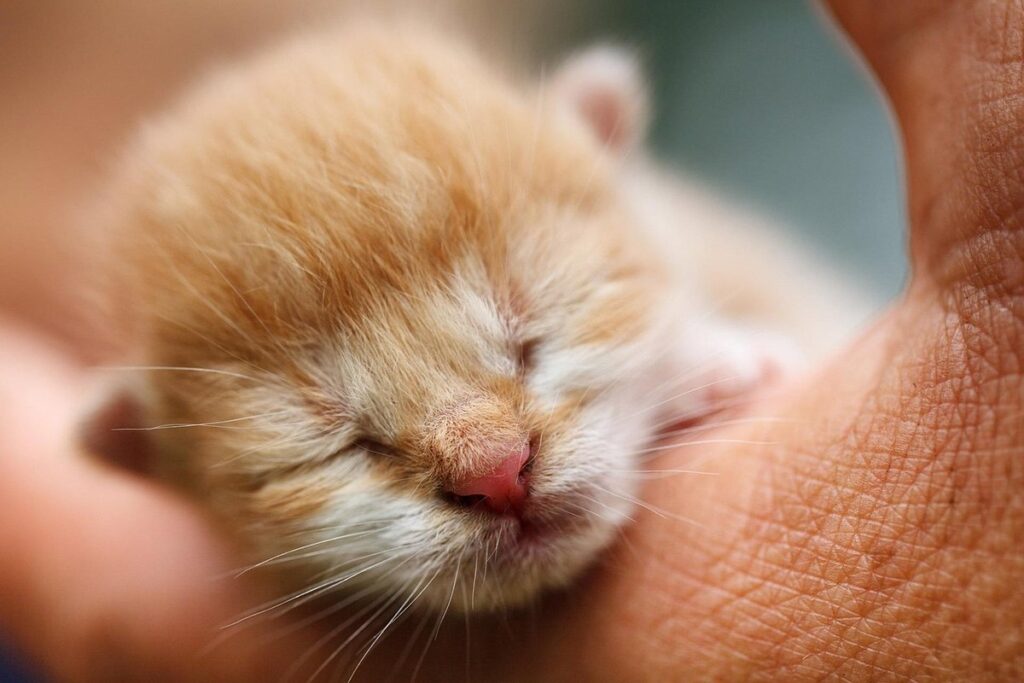
Understanding Newborn Kitten Vulnerability
Newborn kittens are extremely vulnerable, and it’s essential to understand their fragile state to ensure you handle them safely. In this critical period, tiny injuries can lead to serious health complications.
The Risks of Handling Newborn Kittens
Newborn kittens are incredibly fragile and require gentle handling to ensure their well-being. At just a few weeks old, they’re still learning to regulate their body temperature, digest food, and navigate the world around them. As such, premature handling can put them at risk for stress-induced illness or injury.
When handled too frequently or roughly, kittens can become overwhelmed, leading to distress that may manifest in physical symptoms like diarrhea, vomiting, or lethargy. In extreme cases, this prolonged exposure to stress can even weaken their immune system and make them more susceptible to infections.
To avoid putting your kitten at risk, it’s essential to handle them with care. If you’re a breeder or owner, limit handling to short sessions (5-10 minutes) several times a day. Make sure your hands are clean and warm before picking up the kitten, and support their body rather than holding them by the legs. By being mindful of your kitten’s delicate needs, you can help them develop into strong and confident felines.
Factors Influencing Handling Time
When handling newborn kittens, it’s essential to consider various factors that influence their readiness for touch. Breed is one critical aspect to take into account. Some breeds, such as the Maine Coon, tend to be more laid-back and easier-going from an early age. In contrast, others like the Bengal can be more demanding.
Litter size also plays a significant role in determining when kittens are ready for handling. Kittens born in smaller litters often receive more attention and interaction from their mothers, which can make them more confident and receptive to human touch. On the other hand, larger litters may leave kittens feeling overwhelmed and less inclined to interact.
Another crucial factor is individual development pace. Just as humans develop at different rates, kittens do too. Some may start venturing out of their nests and exploring their surroundings sooner than others. Be patient and observe your kitten’s behavior; if they seem stressed or uncomfortable, it’s best to give them time to adjust before handling them extensively.
Kittens typically take around 4-6 weeks to develop sufficient motor skills for safe handling. However, the exact timing may vary depending on breed, litter size, and individual development pace. Paying attention to these factors will help you determine when your kitten is ready for touch.
Recognizing Signs of Readiness
When you’re holding that adorable little ball of fluff for the first time, it’s natural to wonder if they’re ready for some interaction. But when can you touch a newborn kitten? Well, it’s not just about waiting for them to be a certain age – there are physical and behavioral signs that indicate they’re prepared for gentle handling.
One key indicator is increased curiosity. If your little one is sniffing, pawing at toys or even trying to crawl towards you, it’s likely they’re feeling more confident in their surroundings. They might even initiate contact by nuzzling or rubbing against you – these are all good signs that they’re ready for some gentle play.
Another important sign is body language. If your kitten is relaxed and open, with no signs of tension or fear (like flattened ears or a tucked tail), it’s usually safe to start introducing gentle touch. Remember to move slowly and let them set the pace – if they pull away or show any signs of discomfort, stop immediately.
In terms of age, most veterinarians recommend waiting until your kitten is at least 3-4 weeks old before handling them extensively. This allows their immune system to mature a bit more, reducing the risk of infection or disease transmission.
Preparing for Safe Interaction with Newborn Kittens
Before you get your hands on those adorable little balls of fluff, there are some essential steps to take to ensure a safe and healthy interaction. Let’s start with preparing your environment for newborn kittens.
Creating a Safe Environment
When handling newborn kittens, it’s essential to create a safe environment that prioritizes their physical and emotional well-being. To achieve this, designate a warm and quiet space for interaction, free from distractions. This area should be equipped with a heat source, such as a kitten heater or a warm towel, to maintain a comfortable temperature between 80-90°F (27-32°C). Avoid placing the kittens in areas prone to drafts or cold surfaces.
Proper nutrition is also vital during this period. Ensure that the queen’s milk production is adequate by providing her with a balanced diet and plenty of fresh water. If the kittens are being bottle-fed, use a high-quality kitten formula and follow the recommended feeding schedule to prevent overfeeding or underfeeding.
Minimize handling and interaction during the first few weeks to avoid stressing the kittens and disrupting their bonding with the queen. Instead, focus on observing and responding to their needs, such as providing frequent feedings and monitoring their temperature. By establishing a safe space and prioritizing proper nutrition and hydration, you’ll create a nurturing environment for these delicate creatures to thrive.
Cleaning and Sanitizing the Area
When handling newborn kittens, it’s essential to maintain a clean and sanitized environment to prevent cross-contamination and infection risk. Wash your hands thoroughly with soap and warm water before and after interacting with the kitten, as well as after touching any surfaces or objects that may have come into contact with the kitten.
Clean all surfaces, including floors, counters, and tables, with a pet-safe cleaner. Disinfect feeding and watering equipment, litter boxes, and toys regularly. Avoid sharing food or utensils with others in your household to prevent the spread of bacteria and viruses.
It’s also crucial to keep the area where the kitten will be living clean and free from clutter. Remove any items that may pose a choking hazard, such as small toys or accessories. Make sure all surfaces are dry and free from moisture, which can lead to mold growth.
To ensure you’re sanitizing effectively, always follow these steps: mix 1 tablespoon of unscented bleach with 1 quart of water, then apply it to the surface using a clean cloth or paper towel. Let it sit for at least 10 minutes before rinsing thoroughly with clean water. By following these simple steps, you’ll be able to create a safe and healthy environment for your new kitten to thrive in.
Essential Supplies for Handling Kittens
When bringing home newborn kittens, it’s essential to have the right supplies on hand to ensure their comfort and safety. A soft blanket or towel is a must-have for creating a cozy space for your little ball of fluff to relax and play. These blankets can also be used as a makeshift bed or carrier when taking the kitten outside for a walk or vet visits.
In addition to a soft blanket, you’ll need some warm milk replacer or formula (if you’re not breastfeeding), a nursing bottle, and some feeding utensils like a syringe or dropper. These supplies will help you provide nutrition to your newborn kitten until they are weaned at around 4-6 weeks of age.
It’s also a good idea to have some sterile gloves on hand when handling the kittens, especially if you’re concerned about parvovirus (parvo) or other contagious diseases. This will protect both you and the kittens from potential health risks.
Signs of Readiness to Handle Newborn Kittens (0-4 Weeks)
As a new kitten owner, you want to know when it’s safe to hold and interact with your newborn babies, and how to spot the signs that they’re ready for some serious snuggle time. Let’s explore the key indicators of readiness together!
Physical Development Indicators
As you observe your newborn kitten’s physical development, look for signs that indicate they’re ready for handling. Around 2-3 weeks old, kittens start to show increased coordination and reflex control, which is a crucial milestone before handling them.
At this stage, their paws begin to grasp and release objects more accurately, and their balance improves significantly. You may notice your kitten attempting to crawl or even take small steps, although these early attempts are usually unsteady.
Another key physical indicator of readiness is the relaxation of their muscles. Newborn kittens tend to be stiff and resistant to touch due to their fragile nervous system. As they mature, you’ll start to notice a decrease in this stiffness, making them more receptive to handling.
When your kitten’s coordination improves, it’s usually accompanied by an increase in playful behavior. Watch for signs like batting at toys or exploring their surroundings with greater ease. These physical developments not only signal readiness but also pave the way for more interactive and enjoyable experiences between you and your kitten.
Behavioral Cues
As you observe your newborn kitten’s behavior, there are certain cues that indicate they’re ready for interaction and handling. One of the most significant indicators is curiosity about their surroundings. If your kitten is exploring their environment, investigating new sights and sounds, and showing interest in toys or objects, it’s a sign they’re feeling more confident and less fearful.
Another crucial behavioral cue is decreased fearfulness. If your kitten is approaching you without hesitation, seems relaxed in your presence, and isn’t displaying excessive stress behaviors like hiding or trembling, it’s likely they’re ready for interaction. This doesn’t mean they won’t still exhibit normal feline behavior like fleeing or hissing when startled, but overall, a more confident demeanor suggests they can handle gentle handling.
It’s essential to pay attention to these cues and respect your kitten’s boundaries if you notice them becoming overwhelmed or stressed during interactions. By tuning into their behavioral signals, you’ll be better equipped to determine when it’s safe and suitable for handling and playtime with your newborn kitten.
Signs of Readiness to Handle Newborn Kittens (4-8 Weeks)
When your kitten reaches 4-8 weeks old, it’s essential to recognize the signs that they’re ready for handling and socialization. This section will help you identify those cues.
Increased Exploration and Curiosity
Around four to eight weeks old, kittens undergo significant cognitive and emotional development. Their natural curiosity grows exponentially during this period, making them more exploratory and investigative. This phase is characterized by a strong desire to learn about their surroundings, including people and objects.
As a result, they become more receptive to handling and interaction. At this age, kittens are learning essential life skills, such as problem-solving and socialization, which sets the stage for future development. Their increased curiosity means that they’ll be more inclined to explore new environments, touch, and manipulate objects, including their caregivers.
To tap into this period of heightened curiosity, engage your kitten in interactive play using toys or other objects. This will not only stimulate their natural instincts but also help establish trust and a strong bond between you and the kitten. Be sure to observe and respond to their cues, as they’ll be eager to interact and learn from you during this phase.
Improved Reflex Control and Balance
As kittens approach 4-8 weeks of age, you’ll notice significant improvements in their physical development. Their reflexes become more controlled, and they begin to balance with ease. This newfound agility is a clear indication that they’re ready for interaction.
Around this time, kittens start to develop their pincer grasp, allowing them to manipulate toys and objects with precision. They also demonstrate improved flexibility, enabling them to stretch, twist, and turn with greater ease. You may notice your kitten attempting to climb up or down stairs, or even navigating complex play structures with confidence.
As kittens become more agile, they’re better equipped to respond to their environment. They’ll begin to react to sounds, sights, and smells, engaging with their surroundings in a more intentional way. This increased responsiveness is an excellent sign that your kitten is ready for socialization and handling.
When interacting with your kitten during this period, remember to engage them in play activities that challenge their balance and coordination. Provide plenty of opportunities for exercise, such as chasing toys or playing hide-and-seek, to help them develop their motor skills further.
Handling Techniques for Newborn Kittens
When you finally bring home your adorable newborn kitten, it’s essential to know how to handle them gently and safely to avoid any harm. This crucial step is covered in the following handling techniques for newborn kittens.
Initial Contact: Establishing Trust
When interacting with newborn kittens for the first time, it’s essential to establish trust through gentle movements and minimal initial contact. This is crucial in helping them feel secure and comfortable around you. When approaching a newborn kitten, move slowly and deliberately to avoid startling them. Avoid making loud noises or sudden gestures, as this can cause them to become frightened.
To build trust, start by allowing the kitten to come to you. Let them explore their surroundings at their own pace and initiate contact when they feel ready. If they choose not to interact, respect their boundaries and give them space. When handling the kitten, be mindful of your body language and keep your movements calm and soothing.
When holding a newborn kitten, support its body and legs gently but firmly. Avoid picking them up by the scruff or tail, as this can cause injury or discomfort. Instead, use one hand to cradle their head and neck while supporting their bottom with the other. This helps them feel secure and relaxed in your presence. By moving slowly and being gentle, you’ll establish a trusting relationship with the kitten from the start.
Supporting Kitten Growth Through Gentle Interaction
Regular handling is essential for newborn kittens as it promotes socialization and helps build trust between the kitten and human caregivers. By gently interacting with your kitten from an early age, you can significantly contribute to its overall development.
When handled regularly, kittens learn to associate humans with positive experiences, which lays the foundation for a strong bond. Start by picking up your kitten carefully, making sure to support its body and keeping it secure in your arms. Gently stroke its fur, allowing it to get accustomed to different textures and sensations.
As you handle your kitten, pay attention to its body language. If it shows signs of distress or discomfort, such as struggling or trying to escape, give it space immediately. By respecting its boundaries and being attentive to its needs, you can build trust and establish a strong connection with your kitten.
Remember, the key is gentle interaction. Avoid sudden movements or loud noises, which can be startling for newborn kittens. By following these tips and engaging in regular handling sessions, you can help your kitten grow into a confident and social adult cat.
Safety Precautions for Handling Newborn Kittens
When handling newborn kittens, it’s essential to take some extra precautions to ensure you’re doing everything right and keeping both yourself and your new little ball of fluff safe. This section will guide you through the must-know safety tips for kitten care.
Avoiding Overstimulation
When handling newborn kittens, it’s essential to strike a balance between interaction and rest. Overstimulation can be detrimental to their development, as they need time to adapt to new environments and bonding with caregivers.
Newborn kittens are highly sensitive to touch, sound, and light. Prolonged exposure to these stimuli can lead to stress, causing them to become withdrawn or even develop behavioral problems later in life. For instance, research has shown that excessive handling of newborn kittens can disrupt their natural sleep patterns, making it challenging for them to self-soothe.
To avoid overstimulating your kitten, limit interaction time to short sessions (around 5-10 minutes) and allow them at least an hour of uninterrupted rest in between. Establish a calm environment by minimizing loud noises, dimming lights, or using white noise machines if necessary. When handling your kitten, move gently and deliberately, avoiding sudden movements that might frighten them. By finding this balance, you’ll help your newborn kitten feel secure and develop trust in their caregivers.
Recognizing Signs of Distress or Fatigue
When handling newborn kittens, it’s essential to recognize signs of distress or fatigue. These tiny balls of fluff may seem resilient, but they can quickly become overwhelmed by touch, handling, and other stimuli.
Some clear indicators that a kitten needs to be left alone include increased agitation or withdrawal. If the kitten becomes irritable, starts meowing loudly, or tries to squirm away from you, it’s likely feeling overwhelmed. Similarly, if the kitten appears lethargic, shows no interest in nursing or exploring its surroundings, or simply wants to curl up and hide, it may be experiencing fatigue.
As a responsible caregiver, pay attention to these subtle cues. If you notice any of these signs, gently place the kitten back with its mother (if present) or in a quiet, warm environment where it can rest. Avoid forcing interaction or trying to pick up the kitten if it’s clearly resistant. Remember, newborn kittens have limited energy reserves and may not be able to tolerate prolonged handling.
By recognizing and responding to these signs of distress or fatigue, you’ll help ensure the kitten’s safety and well-being during this critical period.
Final Considerations for Handling Newborn Kittens
Now that you’ve learned when it’s safe to touch a newborn kitten, here are some important final considerations to keep in mind as you care for these fragile little bundles.
The Importance of Patience
As you hold that adorable ball of fluff in your arms, it’s natural to want to cuddle and play with your newborn kitten immediately. However, it’s essential to exercise patience and allow them the time they need to develop and become ready for interaction.
Newborn kittens are fragile and their immune systems are still maturing, making them more susceptible to illness and injury. They also require a period of quiet and undisturbed rest to help their senses develop and mature. Rushing into play or handling can disrupt this critical development phase, potentially leading to behavioral issues down the line.
Give your kitten at least 2-3 weeks before introducing playtime or handling them excessively. During this time, focus on providing a safe and nurturing environment that meets their basic needs. As you observe your kitten’s behavior and developmental milestones, you’ll know when they’re ready for gentle interaction. Remember, patience is key to establishing a strong bond with your kitten and setting them up for a happy and healthy life. By waiting it out, you’ll be rewarded with a confident and curious companion.
Long-Term Benefits of Gentle Handling
Early handling is not just beneficial for kittens’ physical development; it also plays a significant role in shaping their socialization and personality. Kitten’s brains are most receptive to new experiences during the first few weeks of life, making this an ideal time to introduce them to various textures, sounds, and smells.
Proper handling from an early age can help kittens become more confident and outgoing as they grow. This is because they learn to associate human interaction with positive outcomes, such as being fed or receiving attention. To facilitate socialization, it’s essential to handle your kitten gently but frequently, ensuring they get used to being picked up and cuddled.
Some practical tips for gentle handling include moving slowly, supporting the kitten’s body, and avoiding sudden movements that might frighten them. Regular interaction can also help you identify any potential behavioral issues early on, allowing for timely intervention. By doing so, you’ll be contributing positively to your kitten’s overall well-being and setting them up for a happy, healthy life.
Frequently Asked Questions
What if I accidentally hurt my newborn kitten while handling it too soon?
Yes, accidents can happen even with the best intentions. If you notice any signs of injury or distress in your kitten after handling, seek veterinary attention immediately. It’s essential to prioritize their safety and well-being.
How long should I wait before introducing my newborn kitten to other pets in the household?
Wait until your kitten is at least 4-6 weeks old and shows clear signs of readiness for socialization with other pets. Monitor their behavior and watch for any signs of stress or fear. Gradually introduce them under close supervision, starting with short sessions.
What are some common mistakes new cat owners make when handling newborn kittens?
Common mistakes include overstimulating the kitten, failing to recognize signs of distress, or not providing a safe environment for interaction. Be mindful of your kitten’s body language and behavior, and prioritize their comfort and safety above all else.
How can I ensure my home is kitten-proofed before bringing home a new newborn kitten?
Kitten-proofing involves removing hazardous materials, securing electrical cords, and blocking access to toxic substances. Also, make sure the room where you’ll be interacting with your kitten is at a comfortable temperature (around 75°F/24°C) and has adequate ventilation.
What if I notice my kitten shows fear or aggression during handling?
Recognize that kittens may exhibit fear or aggression due to overstimulation or lack of socialization. Gradually introduce them to gentle interaction, providing opportunities for play and exploration at their own pace. If concerns persist, consult with a veterinarian or animal behaviorist for guidance.