
Have you ever wondered why your feline friend is always snoozing? It’s not just because they’re lazy, contrary to popular belief. Cats spend up to 16 hours a day sleeping, and it’s essential for their overall health and well-being. But have you ever stopped to think about what triggers this excessive sleepiness in cats? Is it something in their environment, or is it related to their internal clock? In this article, we’ll delve into the world of feline sleep patterns and explore why your cat sleeps all day. We’ll also provide expert tips on creating a conducive sleep environment, managing stress, and addressing common sleep-related issues to help promote healthy sleep habits in your cat.
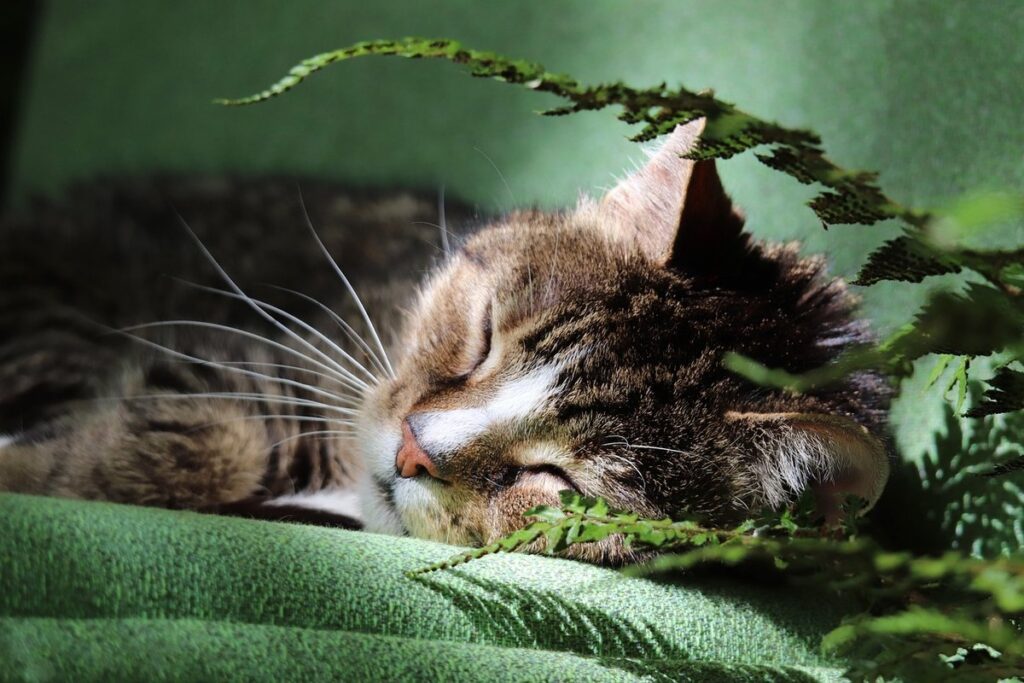
The Evolutionary Purpose of Feline Sleep
So why do cats spend up to 16 hours a day snoozing? In this section, we’ll explore how evolution has programmed your cat’s sleep patterns for survival.
Understanding the Instinctual Need for Rest
When it comes to understanding why cats sleep so much, it’s essential to delve into their evolutionary history and learn from their ancestors’ behavior. In the wild, big cats like lions and tigers spent up to 20 hours a day resting or sleeping, while smaller felines like leopards and cheetahs slept for around 16-18 hours.
This behavior was crucial for their survival, as it allowed them to conserve energy between hunting and gathering food. A single hunt could take several hours, requiring immense physical effort and mental concentration. After a successful hunt, big cats would often rest or sleep for several hours before resuming their daily activities.
In modern domesticated cats, this instinctual need for rest remains strong. While they may not face the same survival challenges as their wild ancestors, their bodies still respond to the natural rhythms of rest and activity. By understanding and respecting your cat’s evolutionary needs, you can create a sleep-conducive environment that promotes relaxation and rejuvenation. This might involve providing a quiet space for them to snooze or establishing a consistent daily routine.
Adaptation to Environmental Factors
As you’ve likely noticed, cats are notorious for their ability to adapt to their surroundings. When it comes to sleep, environmental factors play a significant role in influencing their sleep patterns. For instance, temperature and humidity levels can greatly impact a cat’s sleep. Cats typically prefer temperatures between 68°F to 72°F (20°C to 22°C) and moderate humidity levels for optimal comfort.
Daylight exposure also affects a cat’s sleep schedule. In the wild, cats are naturally diurnal creatures, meaning they’re most active during daylight hours. However, when indoors, they often adjust their sleep patterns according to the amount of sunlight they receive. If your home receives direct sunlight, your cat may take advantage of this natural light by being more active and adjusting their sleep schedule accordingly.
To accommodate your cat’s environmental preferences, consider creating a comfortable sleeping space with proper ventilation and temperature control. This will help your feline friend adjust its sleep patterns according to its surroundings, ensuring it gets the restful sleep it needs.
Comparison with Other Animals
Cats sleep more than most other animals, with some studies suggesting they spend up to 16 hours a day snoozing. This is more than dogs, who typically get around 12-14 hours of sleep, and significantly more than humans, who need around 7-9 hours per night.
But what’s truly unique about feline sleep habits is their polyphasic nature – cats take multiple short naps throughout the day rather than one long, continuous stretch. This allows them to be highly alert and responsive to their surroundings at any given moment, making them expert hunters.
In comparison, humans are monophasic sleepers, meaning we have a single, long period of deep sleep at night. Dogs, on the other hand, tend to follow an intermediate pattern, with shorter periods of deep sleep throughout the day.
By studying feline sleep patterns, researchers can gain insights into the underlying mechanisms that drive cat behavior and potentially develop new strategies for improving human sleep quality. For example, incorporating short power naps into our daily routine could help us feel more refreshed and focused.
So, what can we learn from cats? By embracing their polyphasic approach to sleep, humans may be able to tap into the benefits of multiple short rest periods throughout the day, leading to improved cognitive function and overall well-being.
The Role of Sleep in Feline Health and Well-being
Let’s dive into why cats sleep so much, exploring the vital role that rest plays in maintaining their physical and mental health. This section breaks down the science behind feline somnolence.
Physical Benefits of Rest for Cats
When it comes to maintaining their physical health, sleep is just as crucial for cats as it is for humans. During slumber, felines undergo various physiological processes that aid in muscle repair and regeneration. This is essential for maintaining flexibility and mobility, especially for older or less agile cats.
The immune system also benefits significantly from adequate rest. Sleep allows the body to produce cytokines, which are proteins that help fight off infections and inflammation. In fact, research suggests that during sleep, the feline immune system produces more antibodies than when they’re awake.
Cardiovascular health is another area where sleep plays a vital role in feline well-being. Studies have shown that cats with adequate sleep patterns tend to have lower blood pressure and reduced risk of cardiovascular disease. As an owner, you can encourage healthy sleep habits by providing a comfortable sleeping environment for your cat, including a quiet space away from noise pollution and a supportive mattress or bed.
By prioritizing rest for your feline companion, you’re supporting their overall physical health and well-being, which in turn contributes to a longer, happier life.
Mental and Emotional Aspects of Feline Sleep
Cats spend a significant portion of their day sleeping, and it’s not just because they’re lazy. While sleep is essential for physical recovery, mental and emotional aspects play a crucial role as well. Stress relief is one of the primary reasons cats sleep so much. When we say “stressed,” most people think of humans, but cats can experience stress too – whether it’s due to changes in their environment, lack of stimulation, or even separation anxiety.
As cats sleep, they’re not just recharging their batteries; they’re also processing and releasing pent-up emotions. This is especially true for kittens, whose brains are still developing and learning to cope with new experiences. By allowing your cat to take naps throughout the day, you’re providing them with a much-needed break from their surroundings.
In addition to stress relief, sleep also helps reduce anxiety in cats. A well-rested cat is more likely to be calm and composed, even in situations that might normally cause them distress. By prioritizing your cat’s sleep, you’re helping them develop better emotional regulation skills – essential for maintaining a high quality of life.
Practically speaking, how can you support your cat’s mental and emotional well-being through sleep? For starters, maintain a consistent daily routine to provide a sense of security and predictability. Also, ensure they have a quiet, comfortable space to rest where they feel safe and relaxed – this could be as simple as providing a cozy blanket or creating a designated “cat bed” area in your home.
Impact of Sleep Deprivation on Cats
Sleep deprivation can have far-reaching consequences for cats. When our feline friends don’t get enough rest, they become more stressed and irritable, which can lead to behavioral problems like increased meowing, pacing, and destructive scratching. In severe cases, chronic sleep deprivation can even contribute to depression and anxiety in cats.
Research suggests that sleep deprivation can also weaken a cat’s immune system, making them more susceptible to illnesses and infections. This is because the body needs adequate rest to repair and regenerate tissues, build bone and muscle, and fight off pathogens. Cats who are consistently deprived of sleep may be more prone to diseases like feline immunodeficiency virus (FIV) and feline leukemia virus (FeLV).
To ensure your cat gets the rest they need, establish a consistent sleep schedule and create a quiet, cozy sleeping environment. This might involve providing a comfortable bed or blanket in a secluded spot, reducing noise levels with white noise machines or calming music, and limiting playtime before bedtime to promote relaxation. By prioritizing your cat’s sleep needs, you can help prevent these potential health issues and maintain their overall well-being.
Factors Affecting Feline Sleep Patterns
As we explore why cats sleep so much, let’s take a closer look at some of the key factors that can impact their sleep patterns and schedules. This includes everything from lifestyle to environment.
Age-Related Changes in Cat Sleep
As your cat ages, you may notice significant changes in their sleep patterns. Cats typically enter old age around 12-15 years, but this can vary depending on breed and health conditions. One of the most noticeable effects of aging on feline sleep is a decrease in total sleep time.
While kittens spend up to 20 hours per day sleeping, older cats may only sleep for 12-16 hours. This reduced sleep duration is often accompanied by changes in sleep quality and frequency. Older cats tend to experience more fragmented sleep, with lighter, less restorative sleep phases.
As your cat ages, you can expect to see these changes reflected in their daily routine. To accommodate your cat’s shifting needs, consider creating a quieter, more comfortable sleeping environment. This might involve providing a dedicated sleeping space or investing in a supportive mattress.
Be aware that age-related sleep changes can be a sign of underlying health issues. Monitor your cat’s overall behavior and consult with a veterinarian if you notice any significant deviations from normal sleep patterns. By being attuned to these changes, you can provide the best possible care for your aging feline companion.
Breed-Specific Differences in Cat Sleep
When it comes to cat sleep patterns, not all breeds are created equal. Research has shown that different feline breeds exhibit distinct sleep habits, which can impact their overall energy levels and behavior. For instance, the British Shorthair is known for its laid-back nature and tends to snooze for around 16-18 hours a day. In contrast, the energetic Abyssinian requires less sleep, averaging around 12-14 hours of rest.
Some breeds, like the Maine Coon, are natural-born hunters and tend to be more active during the night, requiring less daytime sleep. Others, such as the Siamese, can be quite demanding in terms of attention and social interaction, leading them to be more restless and require shorter periods of sleep.
Understanding these breed-specific differences can help you tailor your care approach to meet the unique needs of your feline companion. If you have a high-energy cat, for example, it’s essential to provide regular playtime and exercise opportunities during the day to prevent boredom and destructive behavior.
Indoor vs. Outdoor Factors Affecting Cat Sleep
When it comes to cat sleep, their environment plays a significant role. Indoor and outdoor cats have different sleep habits due to the varying conditions they’re exposed to. For instance, indoor cats tend to sleep more soundly as they’re shielded from external noise pollution and potential predators that might disturb them outdoors.
On the other hand, outdoor cats often have shorter sleep cycles as they need to be vigilant for potential threats. Research suggests that outdoor cats spend around 20-30% of their day sleeping compared to indoor cats which can get up to 70%. This discrepancy in sleep patterns is largely due to the demands of an outdoor lifestyle.
As a cat owner, understanding these differences can help you tailor your care and create a suitable environment for your feline companion. For example, if you have an outdoor cat, consider providing them with a safe shelter or enclosure where they can retreat from potential threats. Additionally, ensure their litter box is easily accessible to minimize stress levels during the night. By recognizing these environmental factors, you can promote healthier sleep patterns in your cat.
How to Encourage Healthy Feline Sleep Habits
Establishing a sleep routine for your feline friend is crucial, and in this next part, we’ll explore some practical tips to encourage healthy cat sleep habits.
Creating a Conducive Sleep Environment
When it comes to creating a conducive sleep environment for our feline friends, we want to ensure their resting space is as inviting and comfortable as possible. Start by choosing a quiet spot away from high-traffic areas, windows, and doors that can disrupt their peaceful slumber. A dark room is also essential, so consider using blackout curtains or shades to block out any harsh light.
Invest in a comfortable cat bed or mattress specifically designed for felines. These beds are often made with orthopedic support, ensuring the cat’s joints remain relaxed while they snooze. You can even add a plush throw blanket or two for extra coziness. Next, minimize distractions by removing any tempting toys or scratching posts from the room.
Consider using white noise machines or fans to mask any background noises that might disrupt your cat’s sleep patterns. By creating a peaceful atmosphere, you’ll encourage your feline friend to get the restful sleep they need to stay healthy and happy. Regularly maintaining their sleeping space will also help them establish consistent sleep habits.
Establishing a Regular Sleep Schedule
Establishing a regular sleep schedule is crucial for your cat’s overall health and well-being. Just like humans, cats thrive on routine, and a consistent sleep schedule helps regulate their internal clock. By establishing a regular sleep pattern, you can improve the quality of your cat’s sleep, reduce stress, and even address behavioral issues.
To create a regular sleep schedule for your cat, start by observing their natural sleep patterns. Cats typically sleep for 12-16 hours in a 24-hour period, with some cats sleeping as much as 20 hours a day. Identify your cat’s most active periods of the day, usually during dawn and dusk, and plan their playtime and feeding schedule accordingly.
Next, establish a consistent bedtime routine that signals to your cat that it’s time for sleep. This can include activities like grooming, massage, or reading together in a quiet room. Stick to this routine even on weekends or days off, as consistency is key to developing healthy habits. By creating a regular sleep schedule and sticking to it, you’ll be supporting your cat’s physical and mental health.
Managing Stress and Anxiety to Promote Relaxation
Managing stress and anxiety is crucial for promoting relaxation in cats. When our feline friends are under stress or anxious, it can significantly impact their ability to fall asleep and stay asleep. One effective way to reduce stress in cats is through pheromone therapy. Products like Feliway mimic the calming scents that mother cats produce to calm their kittens, creating a sense of security and relaxation for your cat.
In addition to pheromone therapy, providing mental stimulation can also help alleviate stress and anxiety in cats. Engage your cat’s mind with puzzle toys filled with treats or interactive games that challenge them to figure out how to get the reward. This mental stimulation can help reduce stress and promote a sense of calmness.
Another way to promote relaxation is by engaging in relaxing activities together, such as gentle petting or massage. These calming interactions can help lower your cat’s stress levels and signal to them that it’s time to unwind and relax. By implementing these strategies, you can create a peaceful environment for your cat to sleep soundly and wake up feeling refreshed.
Common Sleep-Related Issues in Cats
Cats, despite their independence, can be affected by various sleep disorders and conditions that affect their overall health and well-being. Let’s take a closer look at some common issues that may impact your feline friend’s restful nights.
Insomnia and Restlessness
As a cat owner, it’s disheartening to see your feline friend struggling with sleep. Insomnia and restlessness are common issues that can disrupt your cat’s quality of life, causing frustration for both you and your pet. But what causes these problems, and how can you address them?
Identifying the underlying causes is crucial. Insomnia in cats can be caused by a range of factors, including medical conditions such as hyperthyroidism or kidney disease, changes in environment or routine, or even stress related to external stimuli like noise or other pets. Restlessness, on the other hand, might be due to anxiety, discomfort, or underlying pain.
To help your cat sleep better, start by observing their behavior and environment. Is your cat experiencing any medical issues? Have you recently moved or introduced new pets or objects into their space? Addressing these potential causes can make a significant difference. For example, providing a quiet, comfortable sleeping area with minimal distractions can help reduce restlessness. Consult with your veterinarian to rule out underlying medical conditions and develop a plan to promote better sleep for your cat.
Sleep Disorders and Other Medical Conditions
Sleep disorders and other medical conditions can significantly impact a cat’s sleep patterns. For instance, feline hyperthyroidism is a common condition that can cause excessive hunger, weight loss, and restlessness, making it difficult for cats to get quality sleep. Similarly, chronic kidney disease can lead to anemia, uremia, and other symptoms that disrupt normal sleep cycles.
Cats with arthritis often experience pain and discomfort during sleep, causing them to wake up frequently or have trouble getting comfortable in the first place. Even seemingly innocuous conditions like dental problems or skin allergies can cause a cat distress, leading to insomnia or disrupted sleep patterns.
If you suspect your cat is suffering from a medical condition affecting their sleep, it’s essential to consult with a veterinarian for proper diagnosis and treatment. In the meantime, providing a comfortable sleeping environment, such as a warm blanket or a quiet room, may help improve your cat’s quality of life.
Conclusion
In conclusion, it’s clear that cats sleep a lot. We’ve explored their unique physiology, natural instincts, and adaptability as factors contributing to their need for rest. As cat owners, we can appreciate this aspect of our feline friends’ behavior by creating a sleep-conducive environment. This might include providing a quiet, cozy spot for them to snooze and maintaining a regular routine that allows for adequate rest time.
By understanding why cats sleep so much, we can better care for their needs and ensure they’re getting the rest they require. So next time you catch your cat lounging in a sunbeam or curled up on their favorite cushion, remember that they’re just recharging for their active playtime later. By accepting and even embracing their love of sleep, we can strengthen our bond with them and create a happier, healthier relationship with our feline companions.
Frequently Asked Questions
What are the best ways to create a conducive sleep environment for my cat?
Create a quiet, cozy space with minimal distractions. Provide a comfortable bed or mattress specifically designed for cats. Ensure good ventilation and maintain a consistent room temperature between 68-72°F (20-22°C). You can also add a white noise machine or play calming music to help your cat relax.
Can my cat’s sleep patterns be affected by the time change?
Yes, time changes can disrupt your cat’s natural circadian rhythms. To minimize the impact, try to maintain a consistent sleep schedule for your cat and provide extra attention during this period to help them adjust.
How do I know if my cat is experiencing insomnia or restlessness due to an underlying medical condition?
Monitor your cat’s behavior and watch for signs of insomnia or restlessness, such as excessive vocalization, pacing, or changes in appetite. Consult with your veterinarian to rule out any underlying medical conditions that may be contributing to these symptoms.
What are some common age-related changes in cat sleep patterns I should be aware of?
Senior cats tend to sleep more than younger cats due to decreased physical activity and potential health issues. As your cat ages, you may notice increased sleepiness during the day or difficulty sleeping at night. Consult with your veterinarian for advice on managing these changes.
How can I tell if my indoor cat is getting enough exercise versus an outdoor cat?
Indoor cats typically require more structured playtime to get adequate physical activity. Aim for 15-30 minutes of play per session, several times a day. You can also try using food puzzle toys or interactive games to encourage mental stimulation and exercise.
What are some breed-specific differences in cat sleep patterns I should be aware of?
Some breeds, such as Bengal cats, tend to be more active and require less sleep than others, like British Shorthairs. Research your specific breed’s needs and adjust their sleep environment accordingly to ensure they’re getting the right amount of rest.