
If you’ve noticed your usually self-sufficient kitty lapping up an unusually high amount of water lately, you’re not alone. Increased thirst in cats can be a cause for concern, but often it’s just a sign that something is amiss with their hydration habits. As a cat owner, it’s natural to wonder what’s driving this change and how to encourage healthy drinking behaviors. In this comprehensive guide, we’ll delve into the reasons behind your cat’s increased thirst, exploring potential health issues and environmental factors at play. By understanding the underlying causes, you’ll be better equipped to provide your feline friend with a balanced diet that meets their hydration needs, ensuring they stay happy and healthy for years to come.
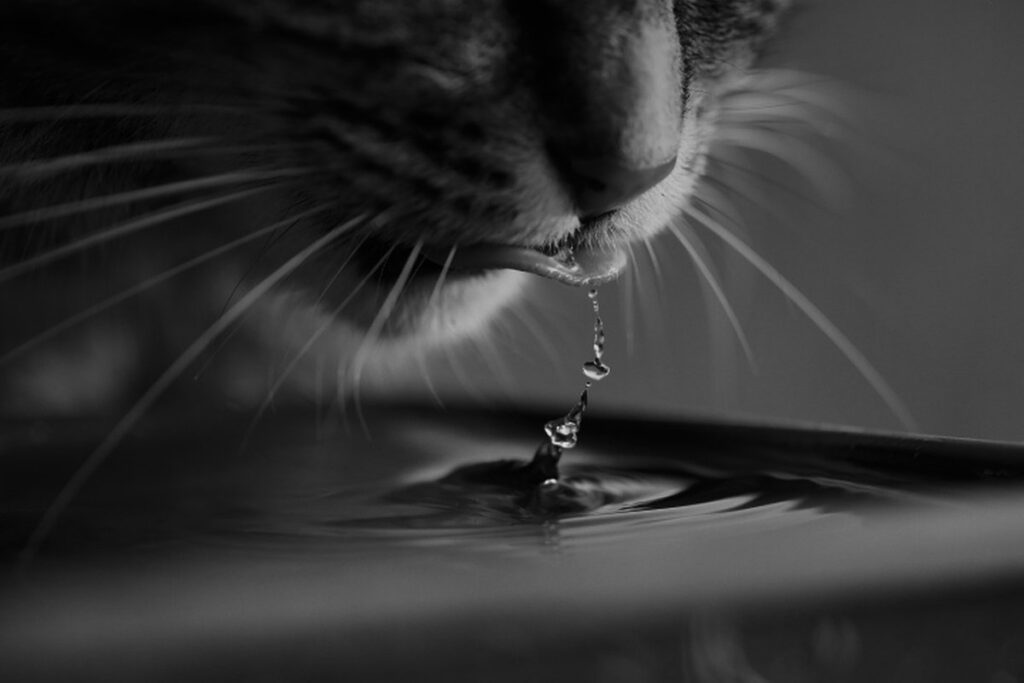
Normal Feline Hydration Patterns
When it comes to our feline friends, their drinking habits can be influenced by various factors such as age, health, and environment. Let’s explore normal hydration patterns in cats to better understand what’s considered average.
Understanding Average Water Intake in Cats
When it comes to understanding average water intake in cats, there are several factors that come into play. The normal water consumption for a cat depends on its age, weight, and individual needs. Generally speaking, a healthy adult cat should drink around 60-90 milliliters of water per kilogram of body weight per day. For example, if your cat weighs about 4 kilograms (8.8 pounds), it should aim to drink around 240-360 milliliters (8-12 ounces) of water daily.
However, this is just a rough estimate and may vary depending on the individual cat’s lifestyle, climate, and health status. Indoor cats, for instance, tend to drink less water than outdoor cats due to their reduced physical activity levels. On the other hand, senior or pregnant cats may require more water due to their increased metabolic needs.
Common signs of dehydration in cats include excessive thirst, dark yellow or brown-colored urine, decreased appetite, and lethargy. If you suspect your cat is not drinking enough water or showing signs of dehydration, it’s essential to monitor its behavior closely and consult with a veterinarian if necessary. Keep an eye out for these warning signs and adjust your cat’s water intake accordingly to ensure they stay hydrated and healthy.
Factors Affecting Feline Water Consumption
When it comes to feline water consumption, there are several factors that can influence your cat’s behavior. Environmental changes, such as moving to a new home, can cause your cat stress and lead them to drink more water. This is because cats are creatures of habit and may feel anxious in new surroundings.
Lifestyle adjustments can also impact your cat’s water intake. For example, if you’ve recently brought a new pet into the household, your cat may become stressed and drink more water as a result. Similarly, changes in your work schedule or travel plans can cause your cat to become anxious and increase their water consumption.
Medical conditions can also play a role in feline hydration patterns. Certain health issues, such as kidney disease or diabetes, can cause cats to drink more water as they try to flush out toxins from their system. If you’ve noticed a sudden change in your cat’s water intake, it’s essential to consult with your veterinarian to rule out any underlying medical conditions.
Keep an eye on your cat’s behavior and adjust their environment accordingly to ensure they’re staying hydrated.
Medical Conditions That May Cause Increased Thirst
If you’ve ruled out external factors, your cat’s increased thirst might be a sign of an underlying medical condition that needs attention from a veterinarian. Certain health issues can cause excessive water consumption in cats.
Kidney Disease: The Leading Cause of Polydipsia in Cats
Kidney disease is one of the most common underlying medical conditions that can cause polydipsia, or increased thirst, in cats. As a cat parent, it’s essential to recognize the signs and symptoms of kidney disease, as early detection and treatment can significantly improve your cat’s quality of life.
If your cat is drinking more water than usual, it may be a sign that their kidneys are not functioning properly. Cats with kidney disease often exhibit polyuria (frequent urination) accompanied by polydipsia, as their kidneys struggle to concentrate urine. Other symptoms include weight loss, vomiting, and lethargy.
Diagnosing kidney disease typically involves a combination of physical examination, complete blood count (CBC), serum biochemistry profile, and urinalysis. Your veterinarian may also recommend imaging studies such as X-rays or ultrasound to evaluate kidney function.
Treatment options for kidney disease depend on the underlying cause and severity of the condition. Medications may be prescribed to manage symptoms, slow disease progression, or even induce remission in some cases. Maintaining a healthy weight through proper nutrition can also help alleviate the burden on your cat’s kidneys.
Hyperthyroidism: Another Key Contributor to Excessive Drinking
Hyperthyroidism is a common medical condition that can cause cats to drink more water than usual. It’s a condition where the thyroid gland produces excess hormones, speeding up the cat’s metabolism and leading to increased thirst. As the body tries to compensate for the excess energy, it will draw on stored fluids, resulting in excessive drinking.
Symptoms of hyperthyroidism can include weight loss, increased appetite, restlessness, and a rapid heartbeat. If you suspect that your cat is experiencing these symptoms, it’s essential to consult with your veterinarian for a proper diagnosis. A blood test or thyroid function test will confirm the presence of excess hormones in the body.
Treatment options vary depending on the severity of the condition. Your veterinarian may prescribe medication to slow down the metabolism and reduce hormone production. In some cases, surgery may be necessary to remove part or all of the thyroid gland. Management strategies include monitoring your cat’s weight, appetite, and overall health to ensure that the treatment is effective.
It’s crucial to work closely with your veterinarian to develop a comprehensive management plan for your cat’s hyperthyroidism. With proper care and attention, many cats can lead happy and healthy lives despite this condition.
Changes in Environment or Diet That May Contribute to Increased Water Intake
Let’s take a closer look at potential environmental changes that could be prompting your cat to drink more, such as recent moves or rearranged living spaces. Dietary adjustments may also play a role in increased water intake.
Switching to Wet Food: The Pros and Cons for Feline Hydration
Switching to wet food can significantly impact your cat’s water intake. On one hand, adding moisture-rich wet food to their diet can encourage them to drink less overall, as they’re getting more of the hydration they need from their meals. This is especially true for cats who are prone to kidney disease or have other health conditions that require a balanced fluid intake.
However, there’s also a potential drawback to consider: some cats may actually drink more water when fed wet food due to the higher sodium content, which can lead to increased thirst. It’s essential to choose a high-quality, low-sodium wet food option to minimize this risk.
If you’re considering switching your cat to a wet diet, start by introducing small amounts of wet food into their meals and monitor their water intake closely. You may also need to adjust the amount of fresh water available to them to avoid overhydration. Keep in mind that every cat is different, so it’s crucial to work with your veterinarian to determine the best approach for your pet’s specific needs.
Changes in Environment That May Affect Drinking Habits
When you bring home a new pet or rearrange your living space, it can be overwhelming for both you and your cat. The change in environment can lead to stress, anxiety, and even changes in behavior. One of the noticeable changes may be your cat’s increased interest in drinking water.
For instance, if you’ve recently moved into a new home, your cat might find the new surroundings unfamiliar and intimidating. This stress can manifest in various ways, including increased water intake. Cats often drink more when they’re anxious or stressed because their body is trying to flush out any perceived toxins.
As you settle into your new space, it’s essential to make sure your cat has access to clean drinking water at all times. Consider placing multiple water sources around the house to reduce competition and stress. You can also try creating a familiar environment by setting up your cat’s favorite sleeping spots or providing familiar toys to ease their transition.
By making these adjustments, you can help alleviate some of the environmental stressors contributing to your cat’s increased thirst.
Potential Health Issues Associated with Excessive Water Consumption
While it may seem harmless, excessive water consumption can be a sign of underlying health issues in your cat. This is what you need to know about potential health problems to watch out for.
Kidney Overload: Risks of Consuming Too Much Water
While it’s essential to ensure your cat stays hydrated, overindulging in water can lead to an overload of the kidneys. This is a concerning issue for cats, as their kidney function is already more sensitive than that of humans. When a cat drinks excessive amounts of water, its kidneys have difficulty filtering out waste and excess fluids from the blood.
The risk of kidney overload increases when your cat consumes large quantities of water within a short period. This can occur if you’re administering multiple doses of medication or supplements in liquid form, which are often high in water content. For example, some flea preventatives come in liquid formulations that can be given orally. If not managed correctly, these liquids can lead to excessive hydration.
To avoid this issue, monitor your cat’s water intake closely and consider the total amount of fluids it receives from all sources – food, medication, and drinking water. Be aware of any signs of kidney strain, such as increased urination, thirst, or lethargy. If you notice these symptoms, consult with your veterinarian to adjust your cat’s hydration plan accordingly.
Identifying Early Warning Signs of Underlying Conditions
If you’ve noticed that your cat is drinking more water than usual, it’s essential to investigate the underlying cause. Increased thirst can be a symptom of various health issues, and identifying early warning signs can help you take prompt action. Look out for changes in your cat’s behavior, such as:
* Excessive licking or pawing at their water bowl
* Visiting the litter box more frequently, potentially indicating dehydration
* Changes in appetite or weight loss
* Increased urination or accidents outside of the litter box
These signs can indicate a range of conditions, including kidney disease, diabetes, hyperthyroidism, or even gastrointestinal issues. For instance, if your cat is drinking more water but still experiencing weight loss and increased urination, it could be a sign of feline diabetes.
Monitor your cat’s overall health and watch for any unusual patterns. Keep an eye on their stool quality, and check for signs of dehydration, such as dry mouth or sunken eyes. If you suspect that your cat is drinking more water due to an underlying condition, consult with your veterinarian promptly to discuss diagnostic tests and treatment options.
How to Encourage Healthy Hydration Habits in Your Cat
As you notice your cat drinking more water, it’s essential to encourage healthy hydration habits that support their overall well-being and longevity. Let’s explore some practical tips to get you started.
Providing Multiple Water Sources
When it comes to encouraging healthy hydration habits in your cat, providing multiple water sources around the house is crucial. Cats are notorious for being finicky drinkers, and often prefer drinking from different locations rather than relying on a single source. In fact, studies have shown that cats are more likely to drink from a bowl placed near their favorite sleeping spot or food area.
To encourage your cat to drink more, try placing multiple water sources in strategic locations around the house. For example, you can place one bowl near the kitchen, another near the litter box, and even a third on a high shelf where your cat likes to climb. This will not only provide your cat with easy access to water but also help to create a sense of variety and exploration.
Additionally, consider using different types of bowls or fountains to add some visual interest and encourage drinking. Some cats prefer the sound of running water, while others like the idea of drinking from a sleek, modern bowl. Experiment with different options to see what works best for your cat.
Monitoring Water Intake and Adjusting as Necessary
Monitoring your cat’s water intake is crucial to ensure they’re staying properly hydrated. You can do this by observing their behavior and making adjustments as needed. Start by placing multiple water sources around the house, so your cat has easy access to fresh water at all times. This will encourage them to drink more regularly.
Monitor your cat’s water consumption over a few days or weeks to determine if they’re drinking enough. Take note of any changes in their water intake during different seasons or as they age. You can also use a water meter, which attaches to the bowl and measures how much water is consumed daily.
If you notice your cat isn’t drinking enough, try adding a small amount of low-sodium chicken broth or even tuna juice to their water for flavor. This may entice them to drink more regularly. Conversely, if your cat appears to be over-drinking, you can try increasing the number of litter boxes and providing more hiding spots to reduce stress, which may be contributing to excessive water intake.
Regularly cleaning and refilling your cat’s water bowl will also help encourage healthy hydration habits. Make sure to provide a shallow dish or a heavy ceramic bowl to prevent spills.
Frequently Asked Questions
Can I still monitor my cat’s water intake if it’s drinking from a self-refilling fountain?
Yes, you can definitely keep track of your cat’s water consumption even with a self-refilling fountain. Simply use a measuring device to estimate the total amount of water dispensed over a set period (e.g., 24 hours). This will give you a rough idea of how much your cat is drinking, helping you monitor its hydration habits effectively.
What if my veterinarian recommends switching to wet food, but I’m unsure about its impact on my cat’s hydration levels?
When transitioning to wet food, it’s essential to observe your cat’s overall water intake and adjust accordingly. Wet food typically has a higher moisture content than dry food, so your cat may drink less water as a result. Monitor your cat’s water consumption closely during this period to ensure they’re staying hydrated.
Are there any specific signs I should look out for if my cat starts drinking more water after switching to a new environment or diet?
Keep an eye out for excessive thirst (polydipsia), increased urination, and changes in appetite. If you notice these symptoms persisting over time, consult with your veterinarian to rule out potential health issues related to the change.
How do I balance my cat’s water intake with its individual needs if it has a medical condition like kidney disease?
Work closely with your veterinarian to determine the best course of action for your cat’s specific situation. They can help you create a tailored hydration plan, taking into account factors like food, medication, and environmental changes.
Can I use a combination of methods (e.g., water fountains and multiple bowls) to encourage my cat to drink more water?
Yes, offering multiple water sources and types (e.g., running water, still water) can make drinking more appealing and convenient for your cat. Place these options in various locations around the house to cater to your cat’s individual preferences and needs.